
More than 250,000 children in Malawi have been supported to begin their education journey with stronger foundations, but stakeholders say the country still faces a major challenge in ensuring that every child has access to quality early childhood development (ECD) services.
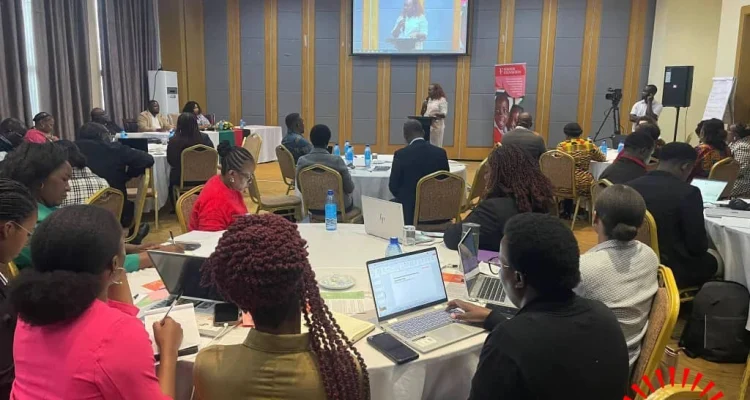
The achievement was highlighted during a stakeholder consultative workshop organised by the Federer Foundation in Lilongwe, where government officials, development partners, civil society organisations and education stakeholders gathered to reflect on progress made under the School Readiness Initiative and shape the foundation’s future strategy in Malawi.
The workshop provided an opportunity to review lessons from six years of implementing the initiative, including findings from the School Readiness Initiative Impact Evaluation Report and the Malawi Contextual Analysis Report, while identifying areas where further investment and collaboration are needed to strengthen early and foundational learning.
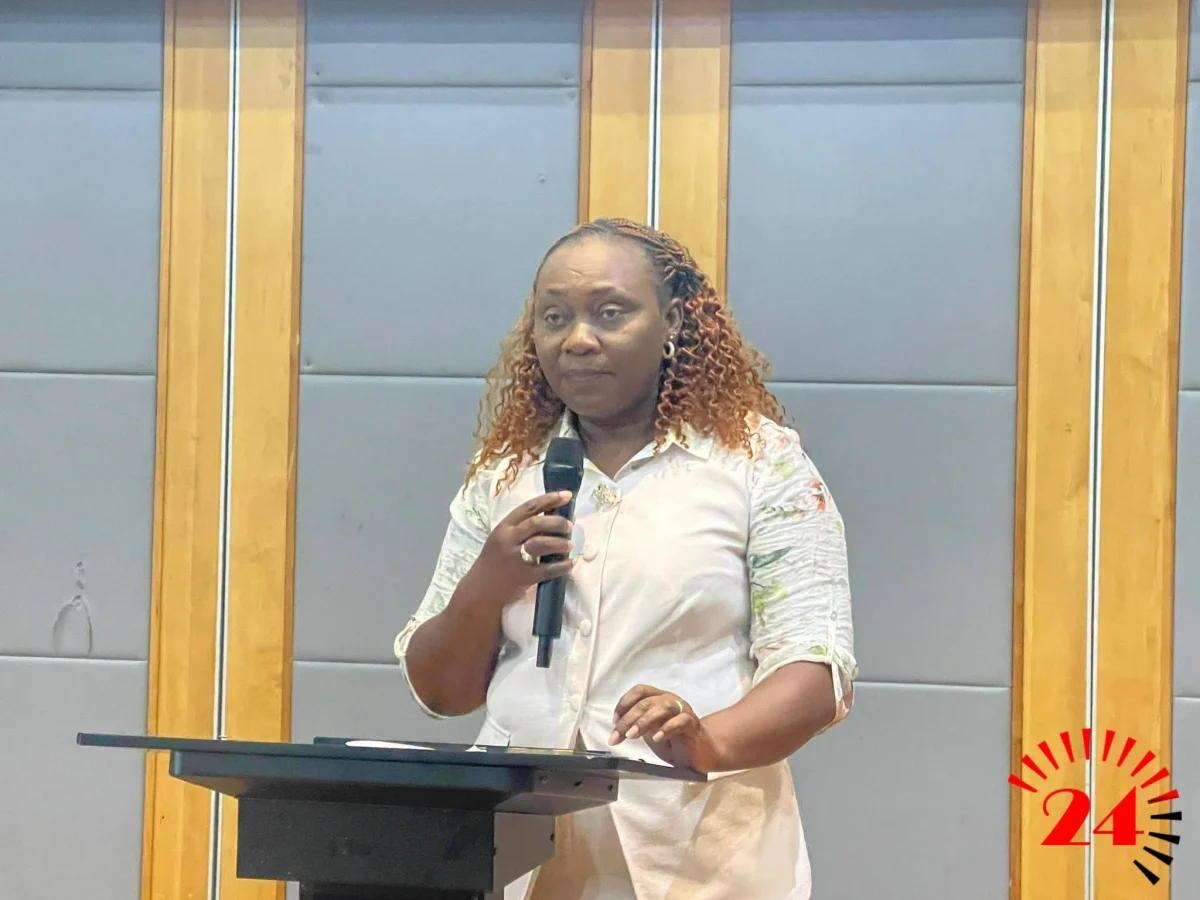
Federer Foundation Executive Director Martha Khonje said the engagement was part of the organisation’s commitment to accountability and learning with its partners, as the foundation transitions into a new phase of its work.
“We wanted to give feedback to government and all stakeholders about what we have been doing. For the first six years, the foundation has been implementing the School Readiness Initiative, and we wanted to share the progress we have made and the results from the impact evaluation,” Khonje said.
Through partnerships with ActionAid Malawi, the Association for Early Childhood Education in Malawi and the CCAP Synod of Livingstonia Early Childhood Development department, the initiative has reached 19 districts across Malawi.
The programme has supported 2,500 Community-Based Childcare Centres (CBCCs), helping prepare children before they transition into 852 primary schools. More than 250,000 children have benefited from trained caregivers who supported their early learning and school readiness.
Despite these gains, stakeholders acknowledge that expanding access to quality ECD remains a key challenge, particularly as many children still require opportunities to develop foundational skills before entering formal schooling.
Khonje said the next phase of the foundation’s work will focus on ensuring that successful approaches from the School Readiness Initiative become embedded within government systems.
“After six years of implementing the School Readiness Initiative, we will be working with government for the next two years to consolidate the gains and institutionalise the practices and tools that have worked, so that they
part of government systems and can be sustained and scaled,” she said.
The foundation is also developing a new Malawi Country Strategy that will guide its priorities up to 2030. Khonje said the strategy will be informed by recommendations from stakeholders and will identify areas where the foundation can complement government efforts in early childhood development and foundational learning.
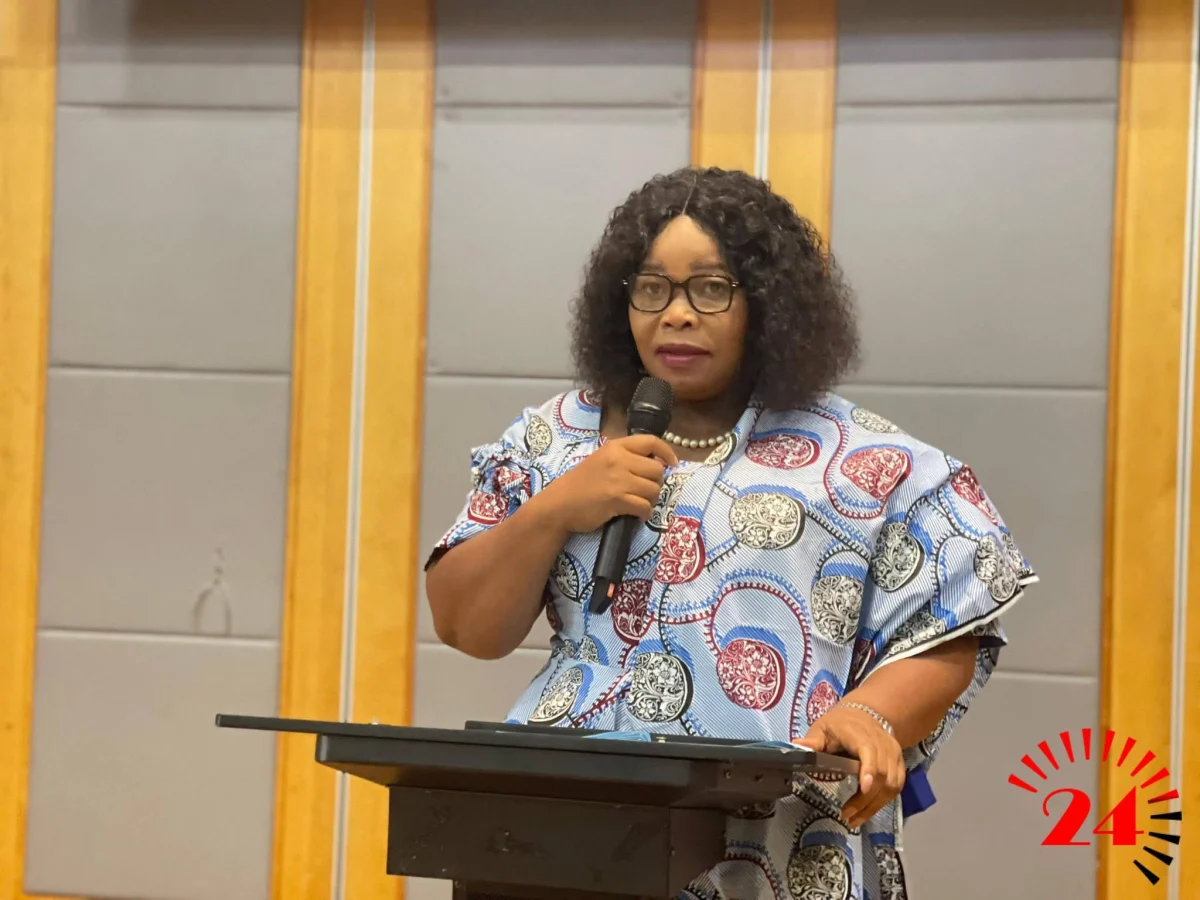
The workshop was officially opened by Minister of Gender, Children, Disability and Social Welfare Mary Navicha, who said government remains committed to ensuring that every child has an opportunity to grow, learn and succeed.
Navicha said strengthening ECD requires strong partnerships between government and development actors, adding that government is working on measures to improve the sustainability of childcare services, including plans to recruit caregivers as permanent officers.
The potential formalisation of caregivers is expected to strengthen the early learning system by recognising the critical role they play in preparing children for primary education.
As Malawi continues to invest in early childhood development, stakeholders say the focus must now move from individual projects to building a sustainable national system that reaches every child.
The journey of 250,000 children demonstrates what targeted investment can achieve, but the next challenge remains ensuring that early learning opportunities are available to all Malawian children before they step into the classroom.