
One biggest obstacle facing people with short stature is not their height but the hurtful labels, stereotypes and misconceptions that continue to shut them out of everyday life.
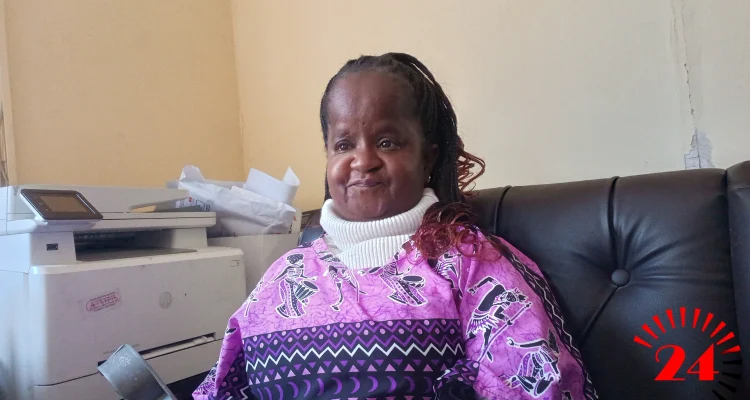
Disability rights advocate and Abilis Foundation Country Coordinator Bridget Banda has condemned the use of derogatory terminology and claims that short stature is not a disability, saying such views only deepen discrimination and exclusion.
In an interview Banda said words such as “Akafura” and “Mwandionera pati” carry negative connotations that discourage people with short stature from participating in education, business and community activities because they fear being mocked and judged.
She argued that short stature meets the accepted definition of disability because it involves an impairment that, when combined with social and physical barriers, limits a person’s ability to participate equally with others.
“Some people say short stature is not a disability, but having a short stature is indeed an impairment. You don’t have the height as your fellow people. Then when we also define disability, we look at barriers and this impairment meets with barriers in society and making someone not to contribute or to participate as his fellow friends. That becomes a disability,” argued Bands.
According to Banda, children with short stature are often denied enrolment in school at the appropriate age because they are mistaken for much younger children, forcing many to start their education late.
She added that everyday facilities such as desks, chairs, benches and sinks are designed without considering people with short stature, creating unnecessary obstacles both at home and in public spaces.
Banda also rejected assertions that short stature is simply a family trait and therefore not a disability, saying her own experience proves otherwise.
“I have two children and none of them has short stature. It is not always inherited as some people claim,” she said.
She further explained that some people with short stature live with additional health conditions, including brittle bones and recurring fractures, making it even more important for society to understand their challenges instead of dismissing them.
Banda has since called for dialogue among disability organizations, people with short stature and other stakeholders to promote respectful language and improve public understanding.
She warned that harmful terminology creates psychological barriers and reinforces exclusion, stressing that respect and inclusion should replace stereotypes if Malawi is to advance disability rights for all.