
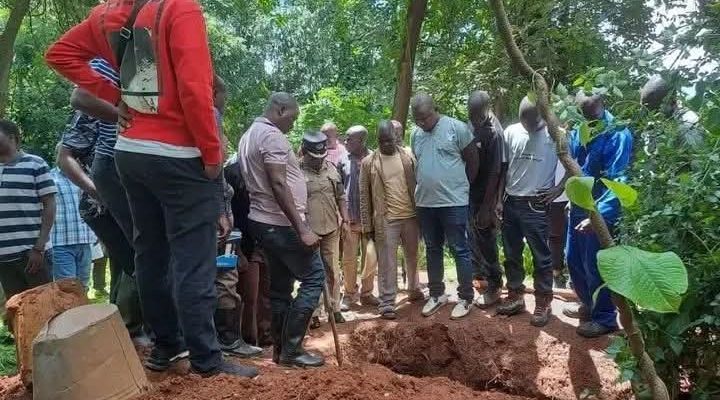
The exhumation of a man with albinism in Malawi’s central district of Dowa has reignited fears that, despite years of awareness campaigns and legal reforms, people with albinism remain vulnerable not only in life but also in death.
The desecration of the grave of the late Mausamatha Zacharia, whose remains were allegedly mutilated with both arms removed, has laid bare the persistence of myths and criminal networks that continue to profit from violence against one of the country’s most marginalised communities.
The Malawi Human Rights Commission (MHRC) has condemned the act as barbaric, describing it as a direct assault on human dignity and the rule of law.
In a statement, MHRC chairperson Chikondi Chijozi said the commission was outraged by the incident in Msakambewa, warning that targeting victims even after burial reflects a deeply entrenched failure to dismantle beliefs that dehumanise people with albinism.
Beyond the brutality of the act itself, the commission said the case exposes the enduring grip of superstition in parts of the country, where body parts of persons with albinism are falsely believed to possess magical or economic value.
That such beliefs can motivate criminals to exhume graves, the MHRC noted, signals that violence against the albinism community has evolved rather than disappeared, adapting to increased security measures around living individuals.
The commission’s concern has been heightened by reports of the disappearance of another person with albinism in Mulanje District.
The proximity of the two cases, according to MHRC, suggests a disturbing pattern rather than isolated incidents, raising fears of coordinated criminal activity and weaknesses in community-level protection mechanisms.
In response, the MHRC has urged the Malawi Police Service to treat both cases with urgency, calling for thorough and time-bound investigations that lead to the arrest and prosecution of not only direct perpetrators but also accomplices and facilitators.
The commission stressed that justice delayed or denied would further embolden those who trade in violence and fear.
The rights body has also challenged civil society organisations, traditional leaders, and faith institutions to take a more visible stand against harmful beliefs, arguing that silence or indifference fuels continued abuse.
Reiterating Malawi’s constitutional and international obligations, the MHRC said safeguarding persons with albinism demands more than condemnation; it requires sustained public education, strengthened security, effective prosecutions, and long-term support for affected families.
Without such concrete action, it warned, the continued violation of people with albinism will remain a dark stain on the nation’s conscience.