
One breath at Dyeratu along the M1 road is enough to tell a painful story, not only of the usual higher temperatures that mark Chikwawa, but also of choking fumes that persist in the air in some parts of the district, raising serious concerns about public health and living conditions.
For many first-time visitors, a troubling question quickly arises, what is this smell, and how do people manage to live here?
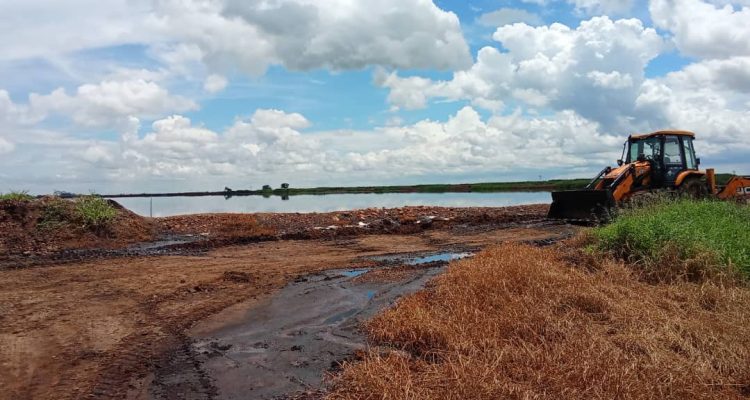
The answer lies just a few kilometres away, a waste disposal site belonging to Press Cane Limited, an ethanol distillery located on the west bank of the Shire River.
The company has been operating since 2004, producing fuel ethanol, potable alcohol, and industrial alcohol.

For surrounding communities, particularly villages under Traditional Authority Katunga, this has meant nearly two decades of breathing polluted air and living with its consequences.
Residents near the disposal site say repeated spillages and persistent odour, believed to be caused by disposed industrial effluent, has taken a toll on their health, damaged their homes, and undermined their livelihoods.
Stephano Munyonga, one resident of Samson Village, expressed frustration and despair over the situation.
“The smell is too much. We cough, we feel eye pains, headaches, and sometimes you feel like vomiting. We are suffering, but no one seems to care about our lives,” Munyonga complained.
Patrick January of Lauji 2 Village testified that his health has been severely compromised, which he believes is linked to exposure to spillages from the company.
Medical report seen by this publication support his claims.
A report dated 9 January 2016 from Chikwawa District Hospital, issued by Dr Amber Majidu, MBBS, indicates that January suffered neurological damage.
“The client says he was exposed to toxic water in his garden believed to be coming from Press Cane Limited.
“This happened in 2009 and since then the client has been complaining of a burning sensation in both of his feet. On examination we found that he has peripheral neuropathy.
“This diagnosis was later confirmed by a neurologist at Queen Elizabeth Central Hospital. The neurologist was of the view that the peripheral neuropathy could have been caused by toxin contact by the feet,” reads the medical report.
January says that since then he has been on Amitriptyline and Pyridoxine treatment, but the medical report indicates that the medication, “cannot reverse the neurological damage caused by the earlier insult.”
Other residents say the pollution is eating away at their property. Lisnet Changalala of Samson Village said the iron sheets on her house, built in 2022, are already badly damaged.
She suspects the corrosion is the result of oxidation caused by prolonged exposure to moisture, salt, or acidic fumes in the environment, which she believes are linked to pollution from Press Cane.
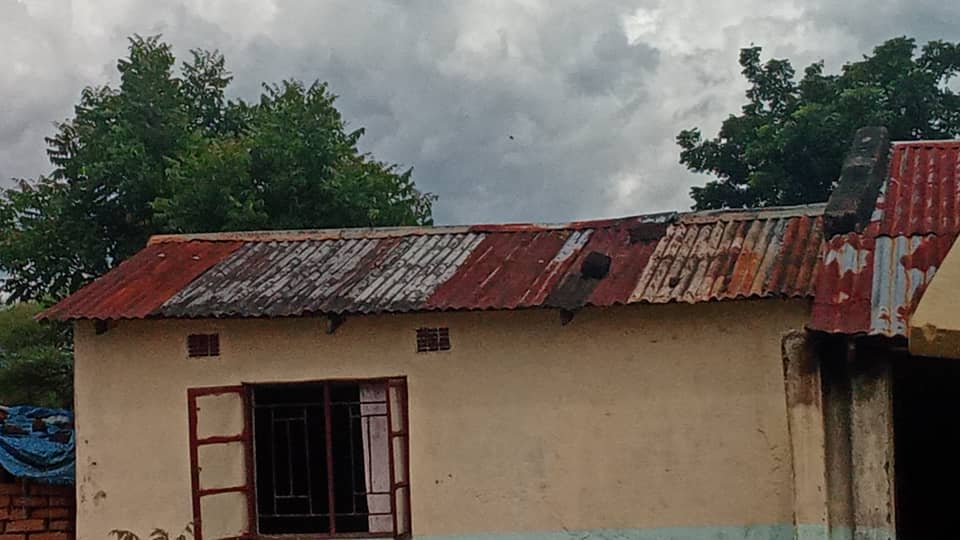
“I built this house recently, but the iron sheets are already rusting and getting holes. This is because of the fumes and chemicals from Press Cane’s waste site,” Changalala said.
The affected communities are now demanding a lasting solution to the pollution within seven days, warning that their patience has run out.
“We are tired of this, if they don’t act now, we will conduct vigils at the company,” warned Munyonga.
On Friday, January 9, 2026, Executive Director of the Centre for Development and Economic Development Initiatives, CDEDI, Sylvester Namiwa, wanted to conduct a surprise inspection at the company’s disposal site, but Press Cane officials blocked him, citing lack of prior notice.
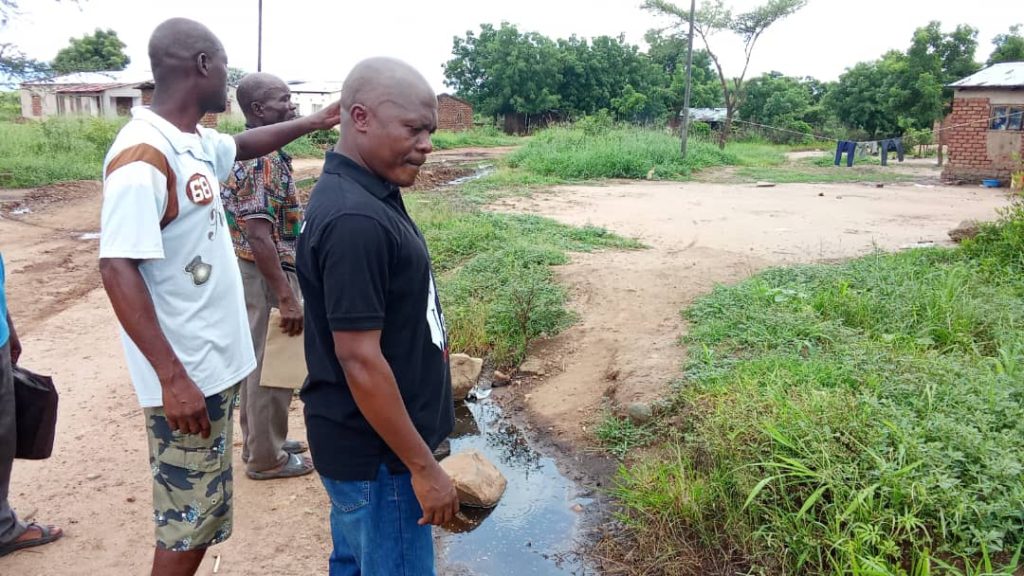
However, he went on to tour nearby affected villages to appreciate the situation firsthand. Describing what he saw as “unfortunate,” Namiwa expressed deep concern over the continued suffering of residents.
“It is very sad that people have lived like this for years, breathing polluted air, watching their health and property deteriorate. This is unacceptable. We are giving the Press Cane and the relevant authorities seven days to provide a lasting solution. If nothing happens, we will mobilize these communities to hold peaceful vigils at the company’s premises until their voices are heard,” Namiwa warned.
Meanwhile, Chikwawa District Council has acknowledged the problem.
The district’s Environmental Officer, Levious Mafuta, said the council is aware of the pollution concerns and that discussions are ongoing among all concerned parties.
He said a taskforce involving the district council, environmental authorities, and other stakeholders is working towards identifying and implementing a permanent solution to the problem.