

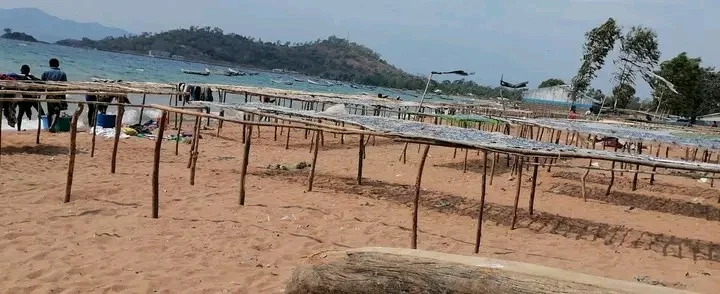
The growing practice of cutting down trees to construct fish-drying racks is raising environmental concerns in Likoma District, with authorities warning that continued reliance on timber could accelerate deforestation and threaten natural resources.
Likoma Forestry Officer Winston Chirwa has urged communities to stop indiscriminate tree cutting, particularly for the construction of drying racks used in the fish-processing industry.
Chirwa said uncontrolled harvesting of trees was putting pressure on the district’s forests and threatening the natural resources on which communities depend for their livelihoods.
He warned that continued loss of forest cover could contribute to soil erosion, environmental degradation and disruption of ecosystems, potentially undermining the wellbeing of communities in the long term.
Chirwa has encouraged communities to explore more sustainable materials and methods for constructing fish-drying racks to reduce pressure on forests.
He has also called on residents to observe forestry regulations and take an active role in protecting trees and other natural resources for the benefit of present and future generations.
Meanwhile, Likoma Fisheries Officer Martin Mjima has also raised concern over the continued cutting down of trees, stressing that forests are essential to maintaining environmental balance.
Mjima said trees play an important role in the water cycle and rainfall patterns, warning that declining forest cover could have negative consequences for the local climate and, ultimately, people’s livelihoods.
He urged communities to take part in forest conservation initiatives, saying environmental protection requires collective responsibility and should not be left to government authorities alone.
The concerns come as communities continue to depend on fishing and fish processing as important sources of income and livelihoods, highlighting the need to balance economic activities with sustainable management of natural resources.