

University of Malawi students are facing an accommodation crisis as the institution struggles to provide enough hostel spaces for its growing population, leaving many to find alternative housing outside campus.
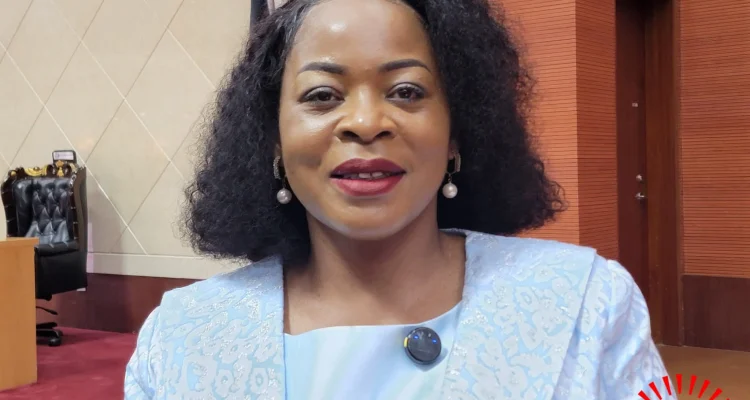
The challenge was highlighted by the Parliamentary Committee on Education, Science and Technology, chaired by Mutani Elliam Tambala, in a report presented to Parliament after engagements with public universities across Malawi.
The Committee found that UNIMA has an estimated 17,000 students but only 1,200 hostel bed spaces, meaning the majority of students have to depend on private rentals or daily commuting to attend classes.
The shortage is placing additional pressure on students and families who must meet accommodation, transport and living expenses while pursuing higher education.
Presenting the report, Tambala said public universities were expanding access to higher education but infrastructure development had not matched the growth in student numbers. “Persistent challenges relating to inadequate funding, infrastructure deficits, staffing shortages, procurement delays and limited student accommodation continue to constrain the growth and effectiveness of public universities,” he said.
The accommodation challenge is not limited to UNIMA. The Committee observed similar problems at Mzuzu University, Kamuzu University of Health Sciences and Malawi University of Science and Technology, where rising enrolment has increased demand for student housing.
At KUHeS, the Committee noted that the shortage is particularly concerning because health sciences students often undertake clinical duties at different hours. The university told the Committee it is engaging private investors to construct additional hostel facilities.
At MUST, private sector players have shown interest in addressing the shortage, with proposals to build 1,500-bed and 1,800-bed hostel facilities. However, approval delays have slowed progress on the projects.
The Committee has recommended that public universities prioritise student accommodation through Public-Private Partnerships while government supports infrastructure expansion.
Tambala said investment in higher education should be viewed as a strategic investment in Malawi’s future, as universities need adequate facilities to support students and deliver quality education.