
Lawmakers are demanding answers over a reported $100 million upfront payment tied to a carbon credit agreement after government officials failed to explain where the money went.
The questions surfaced when officials from the Ministry of Natural Resources and Climate Change on Wednesday, June 10, 2026 appeared before the Parliamentary Committee on Natural Resources, Energy and Climate Change.
However, the committee expressed dissatisfaction after ministry officials failed to provide clear figures on the total revenue Malawi has generated from carbon credit projects, despite the sector’s growing prominence.
During the meeting, Principal Environmental Officer Jarvis Mwenechanya said Malawi currently has 10 active carbon credit projects, while 57 others are under review. He disclosed that the country has realised about $77,000 from a project implemented by Hestian Innovations.
Mwenechanya said the country expects to earn more from the carbon market following the introduction of a regulatory framework designed to govern carbon trading.
“Starting this year, we will begin collecting money from the carbon credit market,” he said, adding that government has already issued several authorisations to facilitate participation in the sector.
However, lawmakers focused much of their attention on a carbon market agreement involving Mamaland and the management of 14 forest reserves.
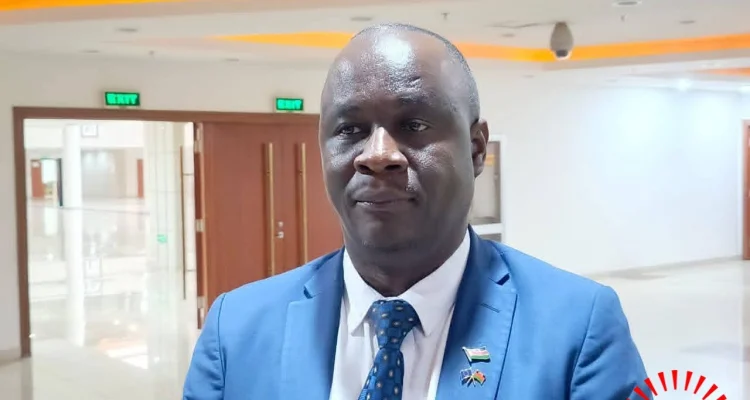
Committee chairperson Tiaone Hendry said the deal, reportedly valued at $500 million, included an upfront payment of $100 million made last year. She questioned where the money went and whether the country had benefited from the transaction.
“We want to know who benefited from the money because it seems that we, as a country, are not benefiting,” Hendry said.
She further questioned the ministry’s inability to provide detailed information on carbon credit revenues and demanded clarification on how the reported $77,000 generated through one of the projects was managed within government systems.
The committee has since given the ministry seven days to submit comprehensive information on carbon credit earnings, project agreements and the utilisation of funds associated with the sector.
Lilongwe City Centre Member of Parliament Nancy Tembo also questioned why Malawi was yet to realise significant benefits from carbon trading despite the increasing number of projects.
“What you are getting are the processing fees and I don’t see any benefit here,” Tembo said.
According to the ministry, carbon credits are tradable certificates that represent the reduction or removal of one tonne of carbon dioxide or its equivalent from the atmosphere. The credits are purchased by countries, companies and organisations seeking to offset greenhouse gas emissions.
Among the authorised carbon projects in Malawi are Sistema-Bio, Bridge Carbon, Burn Manufacturing, Biolite Carbon SPV2, Eki Energy Services, Atec Global, Bob Eco, Hestian Innovations, Malawi Safe Water Project and Genius Carbon.