
Villagers and Civil society organizations in Chikwawa have demanded an immediate halt to compensation payments for communities affected by PressCane Limited’s vinasse pollution, accusing the company of short-charging and continuing operations despite environmental concerns.
Centre for Democracy and Economic Development Initiatives (CDEDI), Citizens League and Dyeratu Concerned Citizens say they have written Chikwawa District Commissioner Frank Mkandawire urging his office to stop the disclosure and disbursement of compensation funds until all grievances raised by affected communities are resolved.
The groups claim some victims are being offered compensation as low as K1,171.85 and allege that some villagers signed documents they did not understand because they were written in English.
The dispute follows years of complaints over PressCane’s disposal of vinasse, locally known as dossi, which residents say has damaged crops, killed livestock, corroded iron sheets and exposed communities to health risks.
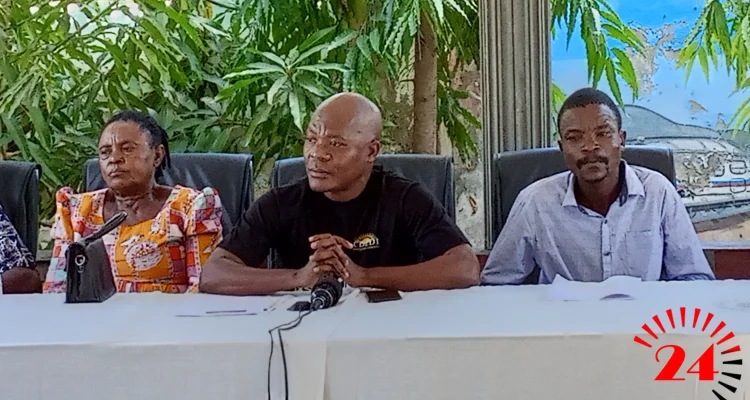
Speaking during a press briefing in Chikwawa on Thursday, CDEDI Executive Director Sylvester Namiwa said the compensation exercise was failing to reflect the scale of suffering endured by affected communities.
“We have seen assessment reports where some people are being offered as little as K1,171.85. This is a mockery of the suffering that communities have endured for decades,” said Namiwa.
The organisations have also questioned reports that PressCane has resumed operations despite a directive from the Malawi Environmental Protection Authority (MEPA) that the company should remain closed until affected people are compensated and environmental concerns addressed.
“Unless proven otherwise, PressCane is still discharging its vinasse at the same place. If this is not open defiance to MEPA, we wonder what would be. The question is, who has authorized them to continue endangering the environment and lives of people?” Namiwa said.
In a separate complaint, the groups accused the Katunga-Maseya Cane Growers Association (KAMA) of forcing villagers to surrender ancestral land for sugarcane farming, warning that no one should be compelled to give up customary land against their will.
Namiwa said communities must be allowed to decide how to use their land without intimidation or pressure from any organisation.
“If the people are not interested in sugarcane farming, why force them in this manner? No one should wake up one morning and force villagers out of their customary land,” he said.
Lovemore Jambo, one of the concerned citizens, has accused PressCane Limited of breaching the memorandum of understanding signed with affected communities through the Chikwawa District Council, saying the company has failed to honour key commitments agreed during stakeholder consultations.
Jambo said the communities have now issued a three-day ultimatum for PressCane to respond and address the outstanding grievances, warning that failure to do so will force them to stage vigils at the company’s premises in protest against continued environmental and compensation concerns
Centre for Democracy and Economic Development Initiatives (CDEDI), Citizens League and Dyeratu Concerned Citizens say they have written Chikwawa District Commissioner Frank Mkandawire urging his office to stop the disclosure and disbursement of compensation funds until all grievances raised by affected communities are resolved.
The groups claim some victims are being offered compensation as low as K1,171.85 and allege that some villagers signed documents they did not understand because they were written in English.
The dispute follows years of complaints over PressCane’s disposal of vinasse, locally known as dossi, which residents say has damaged crops, killed livestock, corroded iron sheets and exposed communities to health risks.
Speaking during a press briefing in Chikwawa on Thursday, CDEDI Executive Director Sylvester Namiwa said the compensation exercise was failing to reflect the scale of suffering endured by affected communities.
“We have seen assessment reports where some people are being offered as little as K1,171.85. This is a mockery of the suffering that communities have endured for decades,” said Namiwa.
The organisations have also questioned reports that PressCane has resumed operations despite a directive from the Malawi Environmental Protection Authority (MEPA) that the company should remain closed until affected people are compensated and environmental concerns addressed.
“Unless proven otherwise, PressCane is still discharging its vinasse at the same place. If this is not open defiance to MEPA, we wonder what would be. The question is, who has authorized them to continue endangering the environment and lives of people?” Namiwa said.
In a separate complaint, the groups accused the Katunga-Maseya Cane Growers Association (KAMA) of forcing villagers to surrender ancestral land for sugarcane farming, warning that no one should be compelled to give up customary land against their will.
Namiwa said communities must be allowed to decide how to use their land without intimidation or pressure from any organisation.
“If the people are not interested in sugarcane farming, why force them in this manner? No one should wake up one morning and force villagers out of their customary land,” he said.
Lovemore Jambo, one of the concerned citizens, has accused PressCane Limited of breaching the memorandum of understanding signed with affected communities through the Chikwawa District Council, saying the company has failed to honour key commitments agreed during stakeholder consultations.
Jambo said the communities have now issued a three-day ultimatum for PressCane to respond and address the outstanding grievances, warning that failure to do so will force them to stage vigils at the company’s premises in protest against continued environmental and compensation concerns