
The Government of Malawi has reduced the number of diplomats serving in its foreign missions from 193 to 139 as part of ongoing efforts to rationalise public expenditure and improve efficiency within the country’s diplomatic service.
The reduction represents a decrease of 54 diplomatic positions and is expected to significantly lower government spending on salaries, allowances, accommodation, and other operational costs associated with maintaining diplomatic personnel abroad.
Officials familiar with the development said the exercise forms part of broader public sector reforms aimed at ensuring that Malawi’s diplomatic missions operate within available resources while maintaining effective representation in foreign countries and international organisations.
According to information gathered, the review assessed staffing levels across various embassies, high commissions, and permanent missions to determine the personnel required to effectively deliver diplomatic services and advance Malawi’s foreign policy objectives.
The restructuring is expected to affect several missions, with some positions being abolished while others may be consolidated to eliminate duplication of roles and responsibilities.
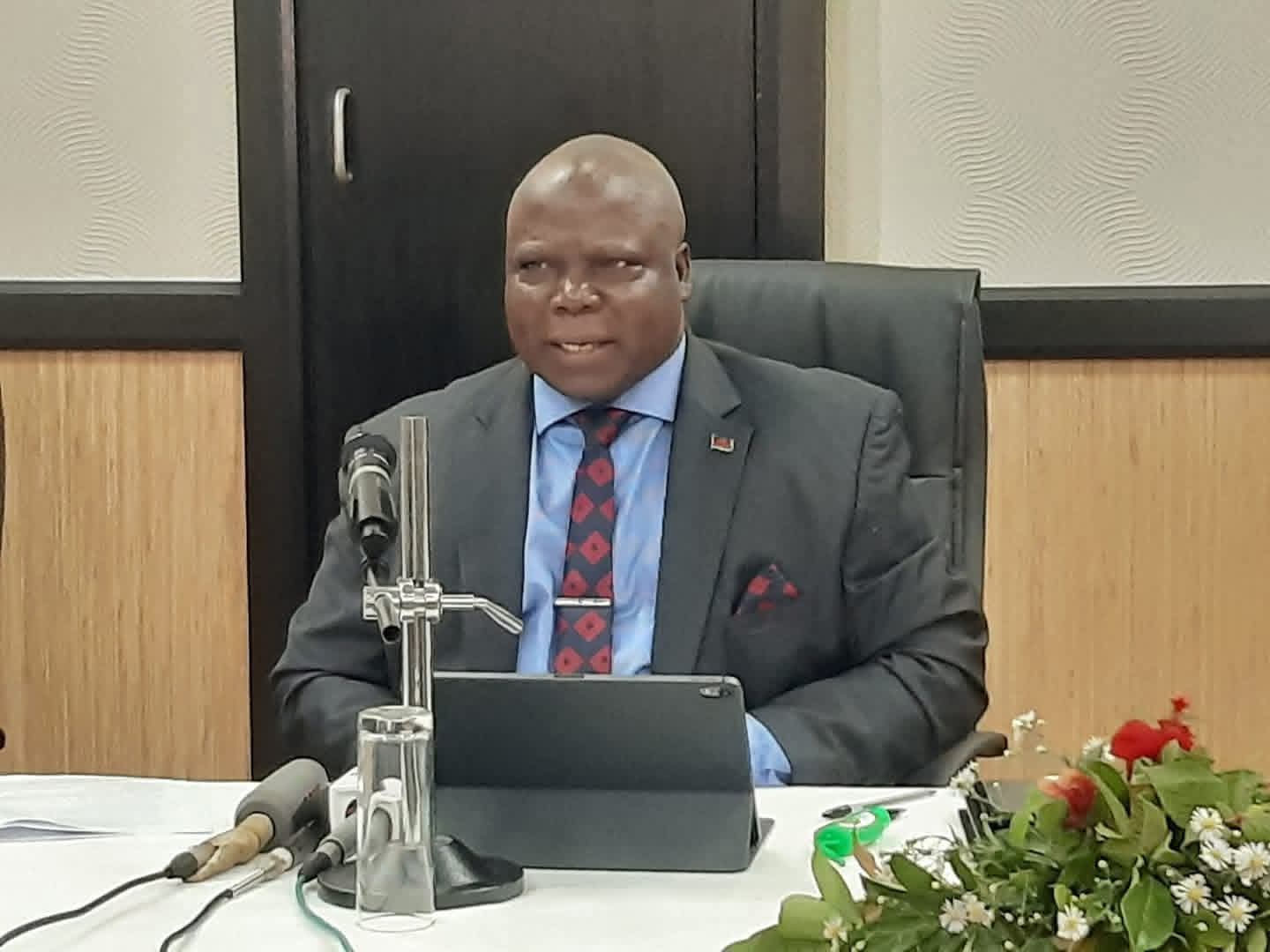
Chief secretary to the government Justin Saidi said the move seeks to strike a balance between fiscal discipline and the need to sustain Malawi’s international engagements.
“Government has been reviewing expenditure across different sectors, and foreign missions have not been exempted. The objective is to ensure that resources are utilised efficiently while maintaining the country’s diplomatic presence and international relations,” said Justin Saidi
The reduction comes at a time when the government is under pressure to contain public spending amid economic challenges facing the country, including foreign exchange shortages, rising public debt, and increasing demands for funding in critical sectors such as health, education, agriculture, and infrastructure development.
Diplomatic missions play a vital role in promoting trade, investment, tourism, and bilateral cooperation, as well as providing consular services to Malawians living abroad.
However, maintaining foreign missions requires substantial financial resources, particularly for personnel-related expenses.
Analysts say the restructuring could help the government redirect resources to priority development areas while encouraging diplomatic missions to adopt more efficient and cost-effective ways of operating.
The Ministry of Foreign Affairs is yet to provide detailed information on how the reduction will be implemented and whether affected officers will be reassigned within the public service or retired from diplomatic duties.
The latest development marks one of the most significant adjustments to Malawi’s diplomatic workforce in recent years and reflects the government’s determination to align public expenditure with prevailing economic realities.