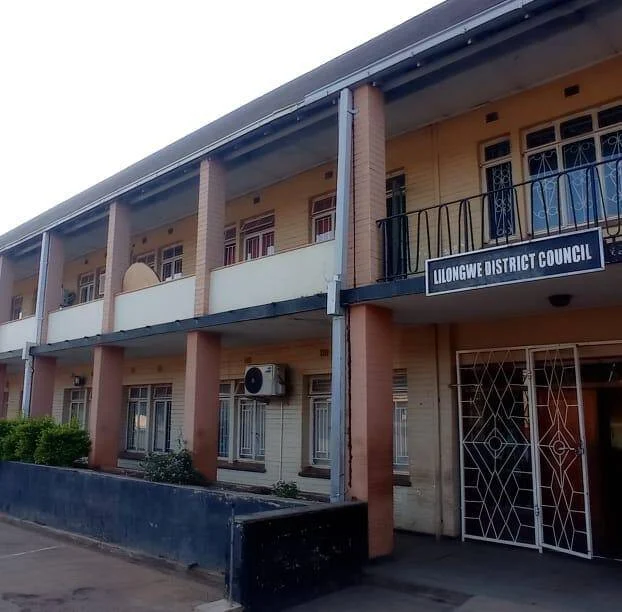

Three months after Nkhotakota District Commissioner Ben Matengeni Tohno was sent on leave to pave the way for investigations into the alleged mismanagement of K600 million at the council, Nkhotakota District Council is once again under scrutiny over allegations that public funds were used to finance a private defamation case involving Council Chairperson.
The allegations are linked to comments Council Chairperson Fitton Khofi allegedly made during an appearance on Nkhotakota Community Radio on January 27, 2026, where he reportedly accused several land officers of corruption.
The remarks are said to have prompted the affected officers to seek legal redress through the High Court, where they filed a defamation suit against him.
Khofi sought legal representation from the Ministry of Justice after receiving court summons. However, the ministry declined the request, maintaining that he has been sued on his personal capacity and not in the course of his official duties.
The source alleges that despite the ministry’s position, Acting District Commissioner Mathias Blugama later authorized the use of council funds amounting to millions of kwacha to support Khofi’s legal defence, raising questions over whether public resources are being used to settle personal legal disputes.
Malawi24 sought Blugama’s comment through a questionnaire sent via WhatsApp on May 25, 2026 and followed up with several phone calls. Although he acknowledged the inquiries, Blugama repeatedly said he would respond when available.
“I don’t have anything to say, but I will respond to you when I am free,” he said during one of the phone conversations. However, by Thursday, he had neither provided responses to the questionnaire nor answered subsequent calls.
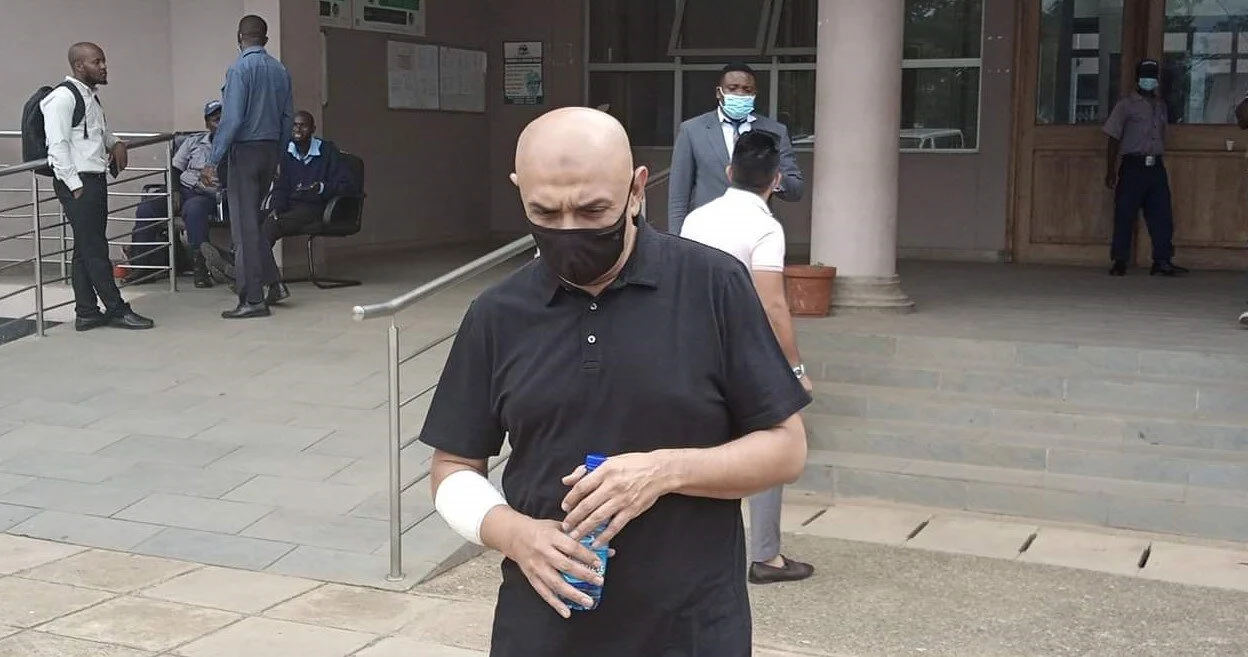
However, in an interview, Khofi confirmed that he is facing a defamation lawsuit, with the matter scheduled for hearing on June 4, 2026 at the Lilongwe Chief Resident Magistrate’s Court, but dismissed allegations that council funds are being used to finance his legal defence.
“Apart from being a councilor, I have other sources of income. It is completely false that the council is funding my case. I am using my own money,” said Khofi, challenging institutions such as the Anti-Corruption Bureau to investigate the claims.
Khofi also confirmed seeking legal representation from the Office of the Attorney General, but said the request was declined as per our source’s tip. He questioned the decision, arguing that the remarks at the centre of the case were made while he was serving as Council Chairperson.
The council chairperson, who has now returned to the DPP after serving as an MCP councillor, further dismissed suggestions that his move was aimed at securing political backing in the ongoing case. He described the claims as propaganda, insisting that his political affiliation has no connection to the lawsuit.
When contacted to comment on the allegations, Principal Secretary for Rural and Infrastructure Development in the Ministry of Local Government, Dingiswayo Jere, said the matter had not yet been formally brought to the ministry’s attention.
Jere said the ministry would only intervene if an audit or other established processes uncovered evidence that government procedures or financial regulations had been breached.
“I think it is too early for the Ministry to act until the issue reaches us through the normal procedures. Unless there is an audit and questions arise regarding the expenditure, that is when the officer concerned may be called upon to respond,” Jere said.
Jere further said councils are empowered to make a range of operational decisions independently unless the matters concern government policy, explaining that if council officials deem a particular course of action necessary, they are generally free to proceed with it.
He emphasized that such decisions only come under the ministry’s scrutiny when auditors flag them as questionable expenditures, which he said is yet to happen in the case at hand.