
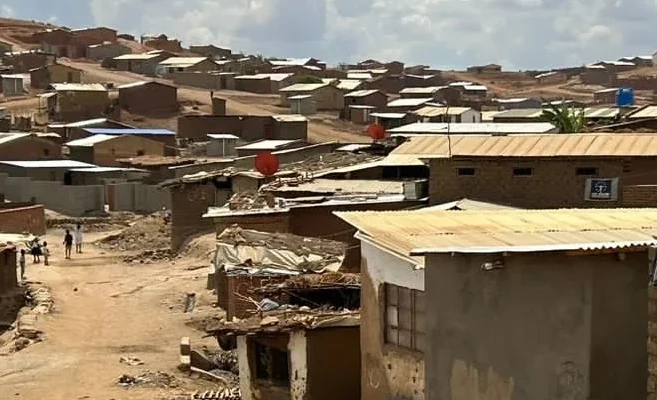
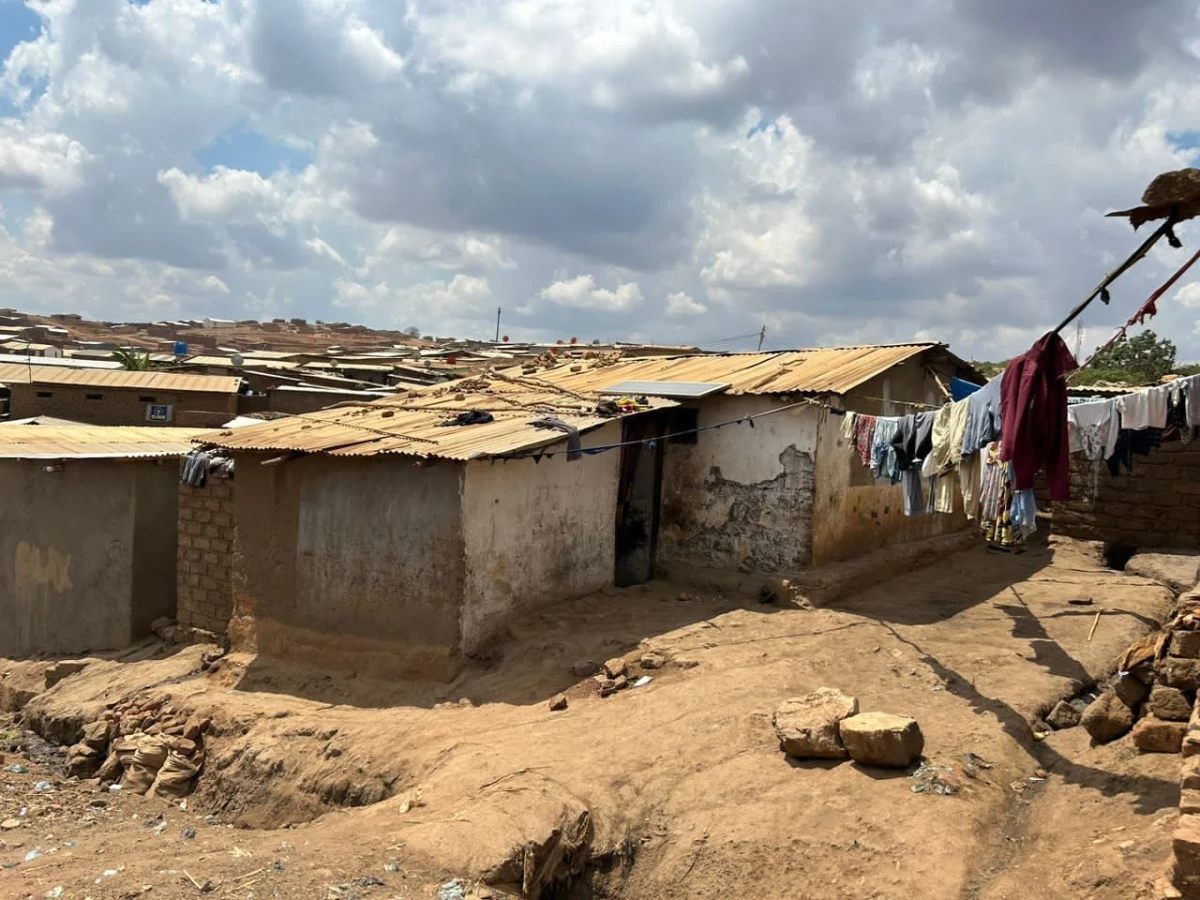
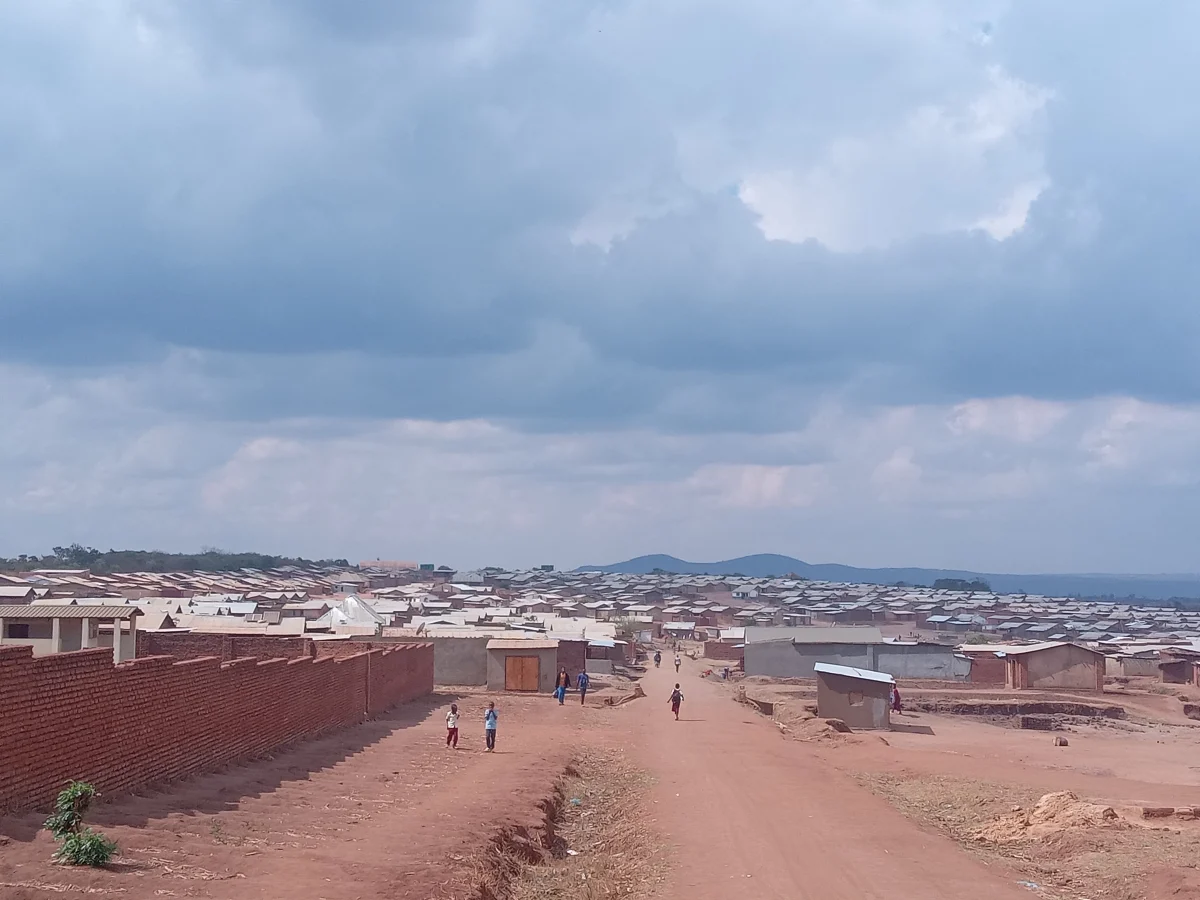
What was meant to serve as a temporary refuge for 12,000 displaced people has evolved into a densely populated settlement of more than 60,000 refugees and asylum seekers, raising fresh questions about Malawi’s refugee policies and humanitarian response.
The concerns were raised on Wednesday during a screening of the film You Name Ourselves organized by the Arts and Global Health Center Africa (AGHCA) in Mzuzu, where journalists, artists, and human rights advocates gathered to discuss the realities facing refugees living in Malawi.
Speaking during the event, AGHCA Executive Director Rogers Phiri said there is a need for wider public engagement and policy discussions surrounding the living conditions and legal challenges affecting refugees at Dzaleka.
“Journalists play a crucial role in communicating the plight of refugees to duty bearers and policy holders. We found it pertinent to engage them here in the northern region on the realities of Dzaleka,” said Phiri.
He said the rapid growth in the camp’s population has contributed to overcrowding and increased pressure on available resources and services.
Phiri also expressed concern over uncertainties affecting refugee children, particularly regarding identity and access to opportunities under existing legal frameworks.
According to Phiri, Malawi’s laws remain unclear on the status of children born to refugee parents despite provisions allowing individuals who have stayed in the country for several years to obtain national identification documents.
Vice Chairperson of the Nyika Media Club, Clementina Ponderani, said journalists have a responsibility to continue reporting on refugee issues to ensure the concerns of affected communities reach policymakers and the public.
AYAP is currently partnering with Shared Studios on a cultural exchange initiative that will connect refugee artists in Malawi with audiences in New York during commemorations marking KEPYR’s 10th anniversary.
Stakeholders at the event said continued dialogue, media coverage, and policy engagement are important in addressing the humanitarian and social challenges affecting refugees in Malawi.