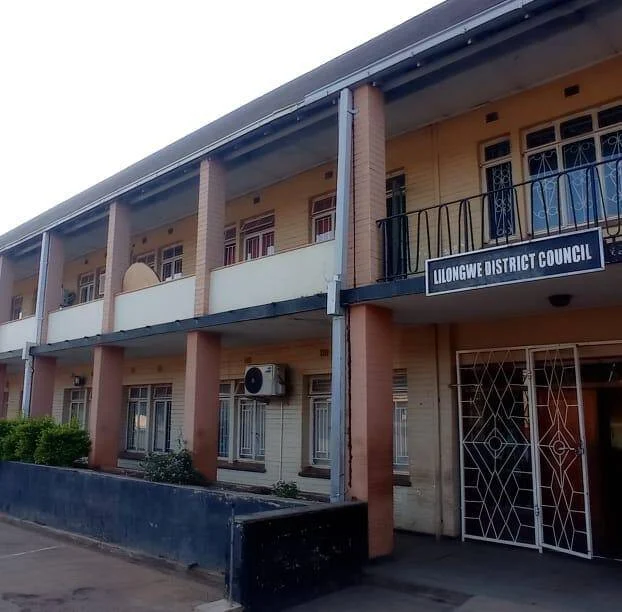


As controlling officers across all district councils assume responsibility for managing the Constituency Development Fund (CDF), which now stands at K5 billion, it is essential to recognise that this role comes with heightened scrutiny and immense public expectation.
The CDF is not merely a financial allocation it is a vital instrument designed to drive grassroots development, uplift communities, and reduce inequality. Its success or failure rests squarely on how it is managed.
From a journalistic standpoint, the message is simple and unequivocal transparency and accountability are not optional they are mandatory.
The media, often referred to as the fourth arm of government, plays a critical oversight role in ensuring that public resources are used responsibly. This responsibility is not driven by hostility or suspicion, but by a commitment to the public interest.
Citizens have a right to know how their resources are being utilised, and journalists serve as a bridge between those in authority and the people they serve.
Controlling officers must, therefore, understand that the management of the CDF will be under scrutiny. Every decision from procurement processes to project selection and implementation must withstand both public and professional examination.
Any signs of mismanagement, favouritism, or misuse of funds will inevitably attract attention, investigation, and public questioning. This is not a threat, but a necessary reminder of duty.
It is also important to emphasise that accountability does not hinder development it strengthens it. When processes are transparent, trust is built. When communities are informed and involved, projects become more sustainable.
When funds are properly managed, the intended beneficiaries ordinary citizens experience the full impact of development initiatives. On the other hand, a lack of transparency breeds suspicion, while weak accountability opens the door to corruption.
These are risks that controlling officers cannot afford to take, especially at a time when citizens are increasingly aware and engaged. Journalists will continue to follow the trail of the CDF tracking allocations, monitoring projects, and amplifying the voices of communities.
This forms part of a broader effort to ensure that public funds deliver tangible value on the ground. Controlling officers are, therefore, urged to embrace openness: maintain proper records, communicate clearly with the public, and ensure that procurement processes are fair, transparent, and well-documented.
Most importantly, remember that the resources being managed are neither personal nor political they belong to the people.
In the end, effective management of the CDF will not only reflect positively on individual officers but will also contribute to national development and strengthen public trust in governance systems.
The expectation is clear: manage the CDF with integrity, or be prepared to account for every decision made.