

Friday was not just another day in Malawi’s fight for justice, as human rights lawyer Alexious Kamangila went live on Facebook to declare the Finance Bank of Malawi payout judgment outright corruption, accusing senior judges of manipulating the judiciary to serve personal interests.
In his broadcast, which attracted thousands of viewers, Kamangila rejected claims that the FBM ruling was a legal error or a routine application of the law. He warned that unless citizens act, Malawi’s justice system risks being permanently compromised.
“Don’t be cheated that this judgment is a mistake or is about the law or this is accountability, whether it affects the country or not but know that there is corruption in this case,” he said, noting that the damage caused by a small group of individuals controlling high-value cases will take years to repair.
While preparing for the live broadcast, Kamangila noted that a recent press statement from the Malawi Judiciary had highlighted internal unrest, even within the Supreme Court of Malawi. He claimed some judges are growing tired of systemic corruption and urged citizens not to remain passive but to press for accountability and justice.
The Finance Bank of Malawi case reached Kamangila’s desk in 2024 and became a turning point, convincing him that corruption had deeply penetrated the judiciary. He said it was among the matters that led him to file a complaint with the Judicial Service Commission, after observing a pattern in which money-related cases are consistently directed to certain judges for predetermined outcomes.
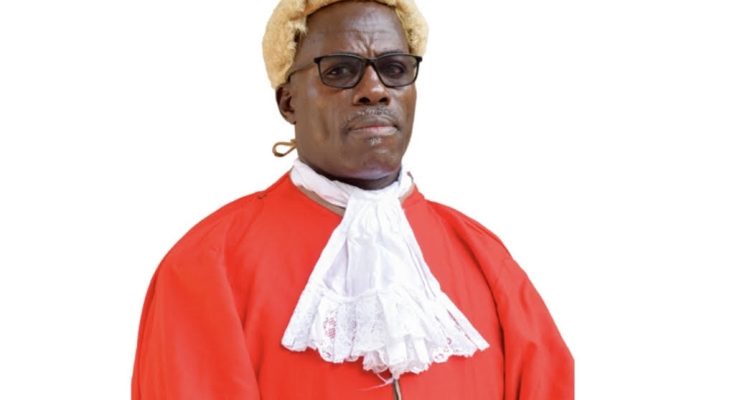
In his most explosive allegations, Kamangila named Lovemore Chikopa SC, Justice of Appeal as the ring leader behind the FBM payout judgment.
“When you see the Supreme Court bench, three people know how everything that is happening, they have been part of that but the ring leader is Chikopa,” he alleges “The prince of thieves in Malawi is Lovemore Chikopa SC, Justice of Appeal, but he is enabled by politicians, business people, banks, and individuals.”
He claimed the case was delayed for years due to competing interests and was later fast-tracked with suspicious urgency once those interests aligned. He added that a small group of judges operates as a cartel controlling high-value cases, and that the final judgment will reveal their fingerprints clearly.
He also implicated other senior judges, claiming they form a tightly knit network controlling cases involving large sums of money.
“I can tell you that the one writing the actual judgment is Chikopa, if not then it should be Kapanda or Madise, if they can change they will do it now, but I tell you when the final judgment comes you will see these names, all these people are a cartel,” he added.
Kamangila alleged that some had already taken part payment linked to the FBM judgment, and that the Supreme Court of Malawi’s decision to allow damages without specifying amounts was deliberately designed to protect the judges while placing responsibility on theCourt Registrar, Innocent Nebi.