
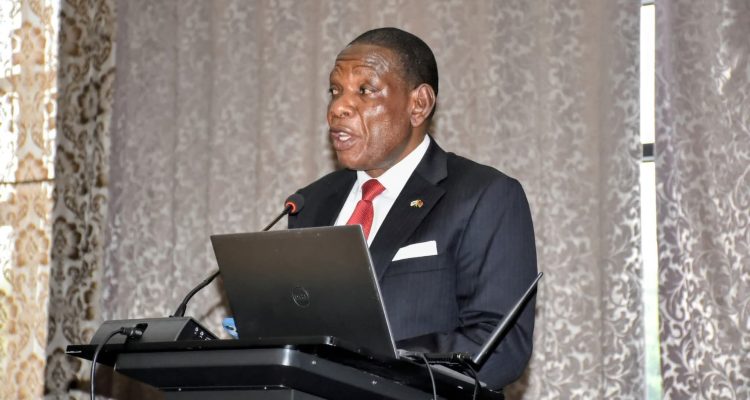
Malawi’s wage bill and other statutory obligations are consuming more than 90 percent of domestic revenue, severely limiting government’s ability to fund essential services and development programmes, Minister of Finance Joseph Mwanamvekha has said.
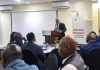
Speaking in Lilongwe during the 2026/27 Pre-Budget Consultation Meeting, Mwanamvekha said expenditures such as wages, interest payments and pensions continue to exert heavy pressure on the national budget, leaving little fiscal space for discretionary spending.
He said the strain is being felt most acutely in key sectors, as government struggles to meet growing demands for medicines, education, farm inputs and other social and economic programmes.
The minister added that the fiscal situation has been compounded by the need to settle arrears accumulated over the past five years, further stretching limited resources.
Mwanamvekha said Malawi’s broader economic environment remains fragile, citing foreign exchange shortages, high inflation, climate-related shocks and infrastructure constraints.
These challenges, he said, have prompted a downward revision of economic growth for 2025 to 2.7 percent.
Despite the pressures, Mwanamvekha expressed cautious optimism about the medium-term outlook, with growth projected at 3.8 percent in 2026 and 4.9 percent in 2027, supported by ongoing economic reforms.
He said government is implementing revenue-enhancing and expenditure-control measures under the National Economic Recovery Plan, alongside efforts to restore debt sustainability through domestic debt reprofiling.
According to the minister, the 2026/27 National Budget will focus on economic stabilisation and targeted investments in agriculture, tourism, mining and manufacturing, while incorporating stakeholder input to manage the tight fiscal environment.