

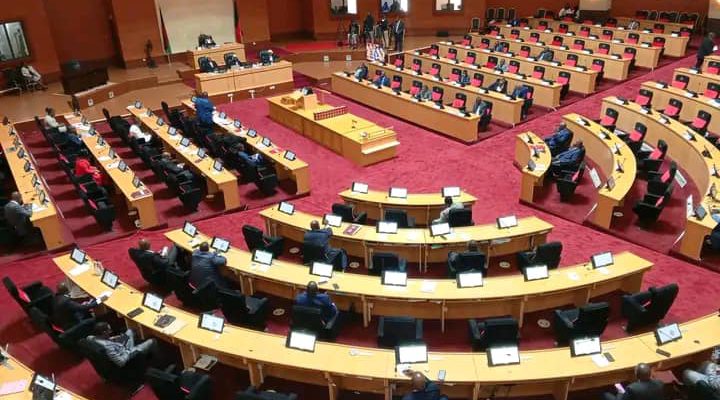
The debate over who should control the Constituency Development Fund (CDF) has entered the public space, exposing divisions among politicians, local councils and sections of the public.
A Facebook post by Silvester Ayuba James has highlighted growing dissatisfaction with a court ruling that left the management of CDF in the hands of local councils.
In the post, James argues that resistance to MPs having influence over CDF mostly comes from social media users and non-governmental organisations.
He claims that many voters in constituencies are unhappy with the court’s decision.
James also alleges that the Malawi Local Government Association (MALGA) wants to use CDF as a source of funding for its operations, accusing its leadership of misusing public resources.
Although these claims have not been verified, they reflect long-standing public concerns about transparency and accountability in the use of development funds.
The comments comes at a time when President Peter Mutharika has withheld assent to the Constitutional Amendment Bill aimed at formally establishing the CDF.
The issue has since become a major political subject, with MPs, councils and civil society groups disagreeing on who should control the fund.
MPs argue that they are closer to the people and better understand the development needs of their constituencies.
On the other hand, local councils say the law gives them the mandate to manage public funds through existing local government systems.
In a statement, State House Press Secretary Cathy Maulidi said the President has directed the Ministers of Justice and Constitutional Affairs and Finance and Economic Planning to draft guidelines for the management of CDF.
This suggests that the Executive prefers administrative guidelines rather than immediate changes to the Constitution.
The debate has also raised questions about the President’s role in law-making.
According to Section 73 of the Malawi Constitution, the President has 21 days to either approve or withhold assent to a Bill passed by Parliament.
If assent is withheld, the Bill must be returned to Parliament with reasons.
However, if Parliament passes the Bill again by a majority after the required period, the President is obliged to assent to it.
As discussions continue, the issue highlights broader governance challenges in Malawi, particularly low public trust in institutions responsible for managing development resources.
Social media has become a key platform for shaping public opinion, often influencing the debate before official responses are made.
Pressure is now growing on all institutions involved to show transparency and ensure that CDF resources directly benefit local communities.Reported by Flora Jobe Nyirenda.