

When people hear that the World Bank has a $3 billion development portfolio in Malawi, the figure can sound distant from everyday life. But for the ordinary Malawian struggling to find a job, run a small business or provide for a family, the real question is simple: what will that money change?
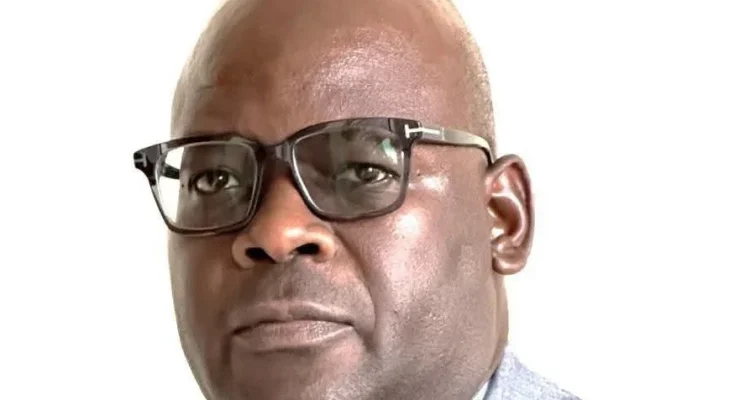
That is the challenge facing Abdu Muwonge, the new World Bank Group Country Manager for Malawi, who has assumed office in Lilongwe this month and taken charge of 23 lending operations worth about $3 billion.
Muwonge, a Ugandan economist, has arrived in Malawi at a time when the country is looking for stronger economic growth and more opportunities for its growing working-age population. His mandate includes ensuring that World Bank operations contribute to inclusive growth and the creation of more and better jobs.
The portfolio, financed mainly through the International Development Association, includes four regional projects worth $503 million, while another $242 million comes through trust funds. Behind those figures are projects expected to address some of the development challenges affecting communities across Malawi.
For a young Malawian leaving school without a job, however, the success of such investments may ultimately be measured not in dollars but in whether a decent employment opportunity becomes available.
For a farmer, it could mean better access to markets, infrastructure or financing. For a small business owner, it could mean an environment in which a business can survive and employ others. For a family, it could mean better public services and improved economic opportunities.
Muwonge brings more than two decades of experience to that task. He joined the World Bank in 2006 and has worked on programmes across Africa, South Asia, Europe and Central Asia, most recently serving as Country Manager in Sierra Leone.
His academic background is also rooted in economics and public finance, with a master’s degree and PhD from Georgia State University in the United States.
Now, his challenge in Malawi is to help turn a massive development portfolio into outcomes that people can see and feel in their daily lives.
The $3 billion may belong to the language of development finance, but its ultimate value to Malawi will be judged much closer to home, in workplaces, businesses, farms and households.