

Communities living around the Lunyangwa catchment area in Mzuzu have received a fresh opportunity to earn a living without destroying the forest.
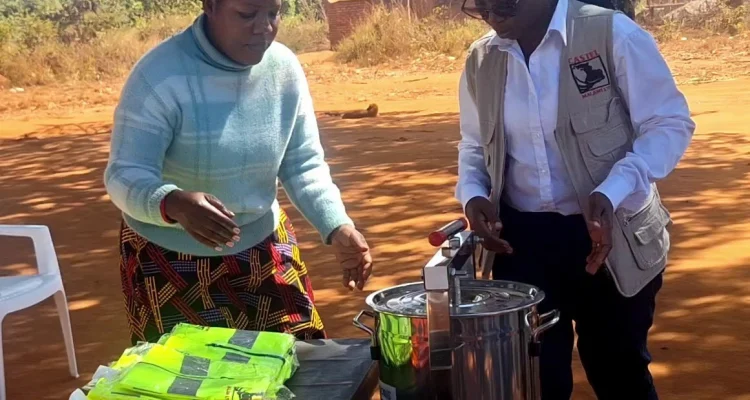
The communities have received beekeeping equipment worth K10 million from Castel Malawi Limited, an initiative aimed at replacing deforestation with income from honey production.
The equipment donated recently, includes beehives, bee suits, veils and gloves. It will benefit communities in Mzuzu, Lilongwe and Blantyre that are helping protect key water catchment areas.
Castel Malawi Director of Corporate Affairs Gloria Zimba said the company wants communities to see forests as a source of sustainable income rather than a place to harvest charcoal and timber.
“We have decided to donate this equipment to empower these communities economically. By doing so, we believe the catchment area will be better protected, as residents will focus on honey production for sale rather than cutting down trees,” said Zimba.
She also challenged other companies to go beyond tree-planting campaigns by investing in projects that help communities protect forests over the long term.
Zimba said Castel Malawi has been working with communities since 2022 to restore forest reserves and has planted 1,500 trees in Kaning’ina Forest between 2022 and 2025.
District Forestry Officer for Mzuzu Urban Agnes Ndlovu Nyirenda said the beekeeping initiative will strengthen conservation efforts while creating new economic opportunities for surrounding communities.
“There is a need for concerted efforts and a sense of ownership for the project to benefit the community and effectively protect the catchment area,” she said.
Senior Group Village Headman Chigwere assured Castel Malawi and its partners that beneficiaries would use the equipment responsibly and ensure the project succeeds.
The Lunyangwa catchment area is the main water source for the Northern Region Water Board, supplying Mzuzu and surrounding areas. However, the forest has come under increasing pressure from illegal charcoal burning and timber harvesting, threatening water security for thousands of residents.