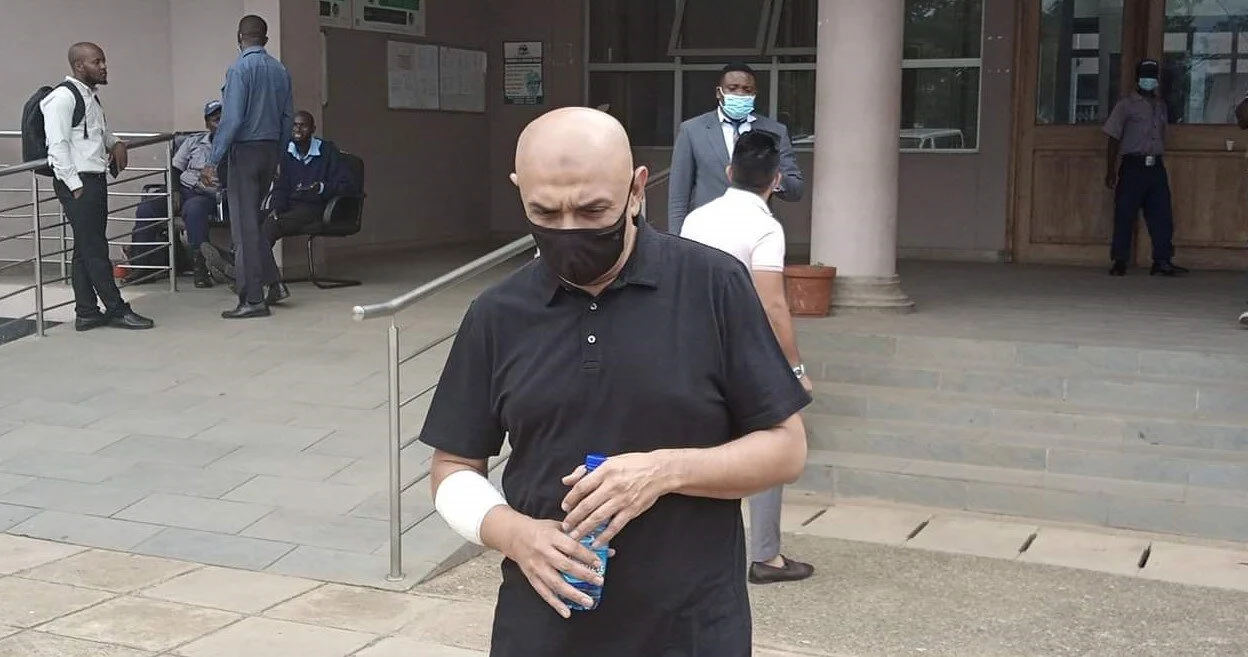


A High Court bail ruling in a homicide case has triggered debate among legal observers after a judge repeatedly described the deceased’s friends as “unruly boys” before the case goes to trial.
Justice Mzonde Mvula granted bail to 20-year-old Amaan Khansia, who is accused of causing the death of Abdul Aziz Panjwani during a confrontation at Wheelhouse Cottage in Senga Bay, Salima.
However, attention has shifted from the bail decision itself to the language used in the judgment.
In the ruling, the judge described Panjwani’s companions as “a group of boys from Blantyre who were very drunk” and “irritating and loud”.
Later, the deceased is referred to as one of the “unruly boys from Blantyre”.
The phrase appears again when the court states: “These boys wanted to get him and his colleagues to a fight. He did not want to have any part in that.”
The wording has raised questions because bail hearings are generally not intended to determine who was responsible for a death. In fact, the ruling itself notes that at this stage the court is not deciding guilt or innocence but whether the accused is likely to attend trial if released.
Justice Mvula cites Section 42(2)(e) of the Malawi Constitution and Section 4 of the Bail (Guidelines) Act, which focus on issues such as absconding, witness interference, public safety and public order when determining whether bail should be granted.
Critics argue that descriptions such as “very drunk”, “irritating”, and “unruly boys” go beyond those questions and appear to adopt parts of the accused’s version of events before evidence has been tested in court.
The ruling also contains an apparent contradiction regarding Khansia’s father. Early in the judgment, the accused is described as assisting his father in running family businesses. Later, the court appears to refer to the “death of his father”. Yet further on, the father is again described as alive and operating the family business.
Another unusual passage refers to Khansia responding well to treatment “since the visitation of God”, language rarely seen in a formal judicial ruling. The homicide case has not yet gone to trial. But before any witness has taken the stand, it is the wording of the bail ruling—not the bail itself—that is now attracting the most attention.