

Questions are mounting over how Malawi’s diplomatic missions became heavily staffed during the previous Malawi Congress Party (MCP) administration, following the government’s decision to reduce the number of diplomats serving abroad from 193 to 139 in a cost-cutting exercise.
Records show that under the former administration, several foreign missions experienced significant increases in diplomatic personnel, with some embassies and high commissions carrying staffing levels that critics argue exceeded operational requirements.
Among the most heavily staffed missions were London, which had 13 diplomats, and New York, which had 12. Malawi’s missions in Washington D.C., Johannesburg and Dar es Salaam each had around 11 diplomats, figures that have now sparked debate over efficiency, accountability and the growing cost of maintaining the country’s diplomatic presence abroad.
The expansion translated into substantial expenditure for government, as diplomatic postings attract not only salaries but also foreign service allowances, housing support, education benefits for dependents, medical insurance, travel allowances and other privileges.
With each diplomat permitted to travel with a spouse and up to four dependents, the increase in diplomatic appointments significantly expanded the number of beneficiaries supported through public funds, placing additional pressure on government finances.
Chief Secretary to the Government Justin Saidi said the current administration is moving to reverse the trend through a restructuring programme aimed at creating a leaner and more cost-effective foreign service.
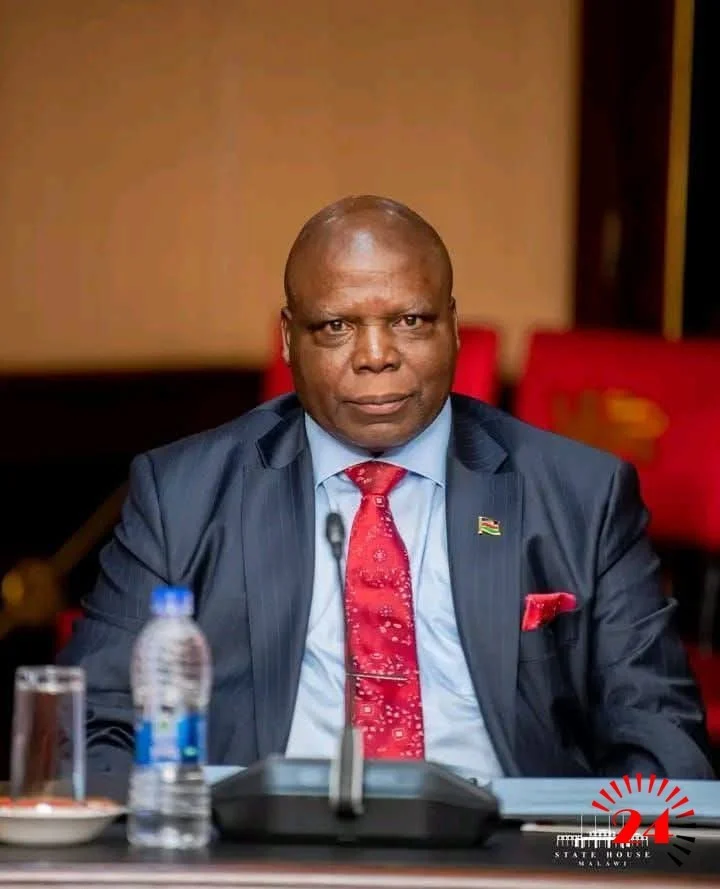
“Diplomatic appointments carry substantial financial obligations for government. His Excellency Professor Arthur Peter Mutharika has stressed the need for strict adherence to austerity measures,” Saidi said.
He added that the reduction in diplomatic personnel fulfils the President’s commitment to maintaining an effective diplomatic service while ensuring prudent use of public resources.
Government says the reform will introduce an average staffing cap of about five officers per mission, with deployments based on operational needs rather than administrative expansion.
The restructuring is taking place as the Parliamentary Public Appointments Committee vets newly nominated ambassadors and high commissioners, marking a new phase in government’s efforts to redefine the size and structure of Malawi’s foreign service while maintaining its international engagements.