
Built for 12,000, holding 60,000: Overcrowded Dzaleka camp strains Malawi’s refugee system
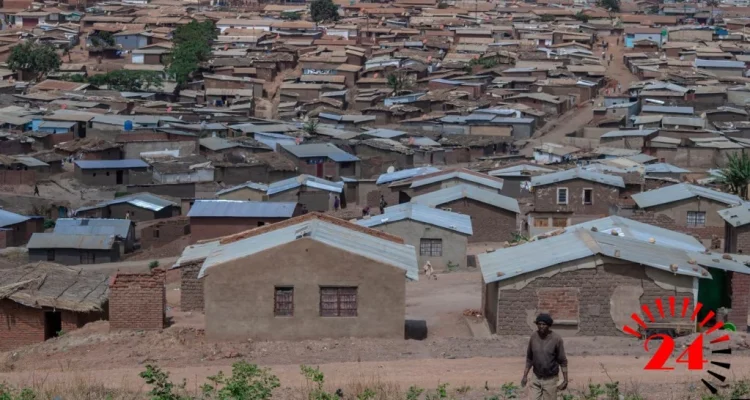
Dzaleka Refugee Camp in Dowa District is operating more than five times beyond its intended capacity, exposing growing pressure on Malawi’s refugee management system and raising concerns over how long the country can sustain the strain on already overstretched services.
Established in 1994 to accommodate about 12,000 people, Dzaleka now hosts over 60,000 refugees and asylum-seekers. The rapid population growth has placed immense pressure on housing, sanitation, healthcare, education and other essential services, leaving authorities grappling with worsening living conditions and increasing humanitarian demands.
The overcrowding has intensified calls for lasting solutions as government pushes forward plans to relocate the refugee settlement to Kayilizi Village in Chitipa District. Parliament’s Committee on Defence and Security has already approved 330 hectares of land for the proposed new camp, which authorities hope will ease congestion and provide a more sustainable environment for refugees.
However, the project remains stuck at the financing stage, highlighting the widening gap between the urgency of the crisis and the resources needed to address it. The Department of Refugees estimates that about US$90 million (approximately K156 billion) is required to develop the new settlement.
Despite the approval of land, no donor funding has yet been secured for the project. Government is now planning a donor conference aimed at mobilising the financial support needed to move the relocation initiative from paper to reality.
Department of Refugees Deputy Commissioner Ivy Chihana said the Kayilizi site remains undeveloped, although surrounding communities already have access to key public facilities, including a health centre, primary school and secondary school.
While government focuses on relocation plans, refugee rights advocates argue that infrastructure alone will not solve the problem. They say Malawi’s refugee policy must also address the economic realities facing thousands of displaced people who remain dependent on humanitarian assistance.
Inua Advocacy Chief Executive Officer Innocent Magambi has called for reforms that would allow refugees greater participation in economic activities, arguing that increased self-reliance could reduce dependency, improve livelihoods and ease pressure on camp resources.
The Dzaleka situation has increasingly become a test of Malawi’s refugee policy, symbolizing a growing challenge that demands both immediate humanitarian intervention and long-term structural reforms if living conditions are to improve for tens of thousands of displaced people.