
The Consumers Association of Malawi (CAMA) has accused politicians of interfering in fuel pricing decisions, saying the country’s current K1.3 trillion fuel debt was caused by deliberate moves to keep pump prices artificially low for political gain.
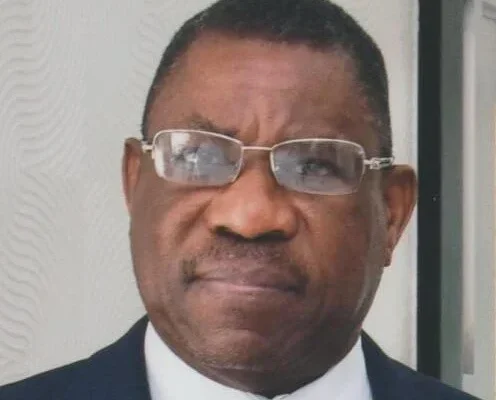
Speaking during a press briefing in Blantyre on Monday, CAMA Executive Director John Kapito said Malawi is now paying for past mistakes made by politicians and regulators who blocked fuel price adjustments despite rising procurement costs.
He said CAMA had noted that part of the current fuel price build-up includes recoveries for fuel consumed in the past, making current prices significantly higher for consumers.
“We are paying for mistakes that were done by politicians who decided to maintain low prices on the market while fuel was being procured at a much higher price. Today Malawians are being told they owe the oil industry K1.3 trillion,” said Kapito.
He said the debt burden has contributed to soaring fuel prices and shortages, while consumers continue to suffer from an unstable supply system and the emergence of black market fuel sales.
Kapito further accused politicians from both the current and previous administrations of interfering with the work of the Malawi Energy Regulatory Authority (MERA) by threatening officials against increasing fuel prices in the past.
“They simply wanted votes. They knew the prices needed to go up but they blocked it for political reasons. Now consumers are the ones paying the price,” he said.
CAMA also criticised the role of the National Oil Company of Malawi (NOCMA), describing the institution as “a bad baby” whose involvement in fuel importation has distorted the market.
Kapito said NOCMA, which currently imports about 60 percent of the country’s fuel, was originally established as a strategic fuel reserve agency but has since become an active market player, creating inefficiencies in the fuel supply chain.
He claimed much of the losses incurred in fuel procurement are linked to NOCMA operations, with funds from the Automatic Pricing Mechanism being used to cover inefficiencies.
“I would have loved NOCMA to go back to its original role of being a reserve agency, keeping enough fuel stocks for the country instead of competing on the market,” Kapito said.
He also blamed poor enforcement of fuel pricing regulations for the deteriorating condition of roads, saying authorities failed to properly apply levies collected through fuel prices.
Kapito called on government and regulators to ensure transparency in fuel procurement and distribution while allowing MERA to operate independently without political interference.
“Our emphasis today is to make sure there is consistency in fuel supply and to stop the creation of black markets. Politicians must stay away from the management and regulation of fuel,” he said.