

Malawi is turning to the African Development Bank (AfDB) for fresh financing as a foreign exchange crisis continues to threaten the country’s ability to secure fuel, fertiliser and other essential imports.
The government has already submitted its financing request under the AfDB’s Global Energy and Fertiliser Crisis Response Framework after being invited to apply for support.
AfDB Executive Director for Malawi, Botswana, Mauritius and Zambia Nalishebo Shebo said Malawi received the invitation on Monday.
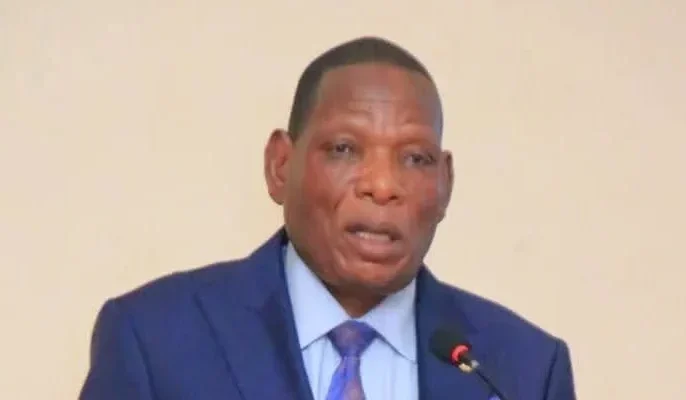
Finance Minister Joseph Mwanamvekha confirmed that the government had moved quickly to submit its application.
“We have already submitted the request for this funding. We had to act with speed because this is yet another opportunity for Malawi. We need more funding,” Mwanamvekha said.
Malawi among initial beneficiaries
AfDB Director General and Acting Vice-President for Africa Abdou Kamara said Malawi was among the countries initially selected to access the crisis-response facility.
Kamara spoke after meeting Mwanamvekha on the sidelines of the Eighth Korea-Africa Economic Cooperation Ministerial Conference in Seoul, South Korea.
He said countries seeking support underwent an assessment before being selected.
“If a crisis comes, we need to respond rapidly,” Kamara said.
The amount Malawi could receive under the facility has not yet been disclosed as discussions between the government and AfDB continue.
Fresh funding after $20.5m boost
The latest request comes days after the AfDB approved $20.5 million, about K34 billion, in direct budget support for Malawi.
Shebo said the AfDB board approved the funding on September 1 following a request submitted by the government in May.
Mwanamvekha is also expected to meet AfDB President Sidi Ould Tah, with further budget support expected to form part of the discussions.
The renewed funding push comes as Malawi struggles with persistent forex shortages that have made it harder to finance imports.
Fuel, fertiliser at the centre
The government is seeking additional foreign currency at a time when fuel and fertiliser supplies remain under pressure.
Fuel shortages can quickly ripple through the economy by driving up transport costs, disrupting businesses and slowing the movement of goods.
Fertiliser shortages could also deepen pressure on food production and household incomes, with agriculture remaining a major source of livelihoods.
The government is therefore looking to external financing to boost access to forex and protect the supply of critical imports.
The financing talks are taking place during the Korea-Africa economic conference, which is focusing on investment, energy, trade, digital infrastructure, artificial intelligence and human capital.