
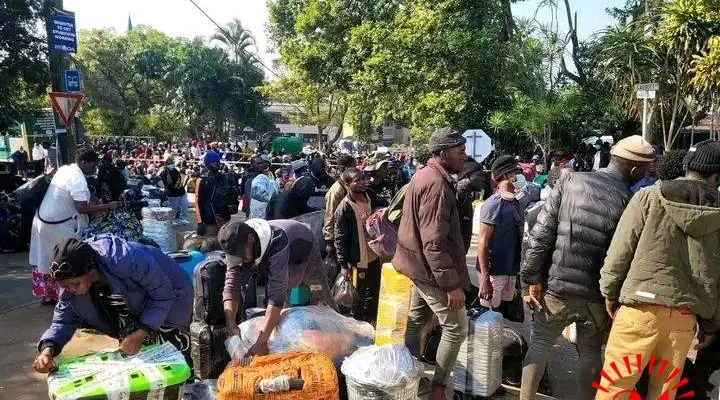
Malawians stranded in South Africa may now have a better chance of returning home as the corporate sector begins responding to government’s appeal for help.
With more than 15,000 Malawians seeking voluntary repatriation following xenophobic attacks in South Africa, authorities say the operation has become one of the country’s biggest humanitarian challenges, requiring over K25 billion to complete.
The growing number of people desperate to return home has forced government to seek financial and material support from businesses, organizations and well-wishers.
And the response is beginning to emerge.
In recent days, some of the country’s leading business figures and institutions have stepped forward with donations aimed at easing the burden on government and speeding up the return of affected citizens.
Earlier this week, First Capital Bank (FCB) has donated K150 million to the Department of Disaster Management Affairs (DoDMA), describing the contribution as a gesture of solidarity with fellow Malawians caught up in the crisis.
FCB Head of Marketing and Communications Twikale Chirwa said the bank felt compelled to support efforts to bring affected citizens back home safely.
“We believe that Malawi is a warm heart of Africa. We feel that we need to show our warmth to our fellow Malawians,” said Chirwa.

The bank also challenged other corporate institutions to join the national response.
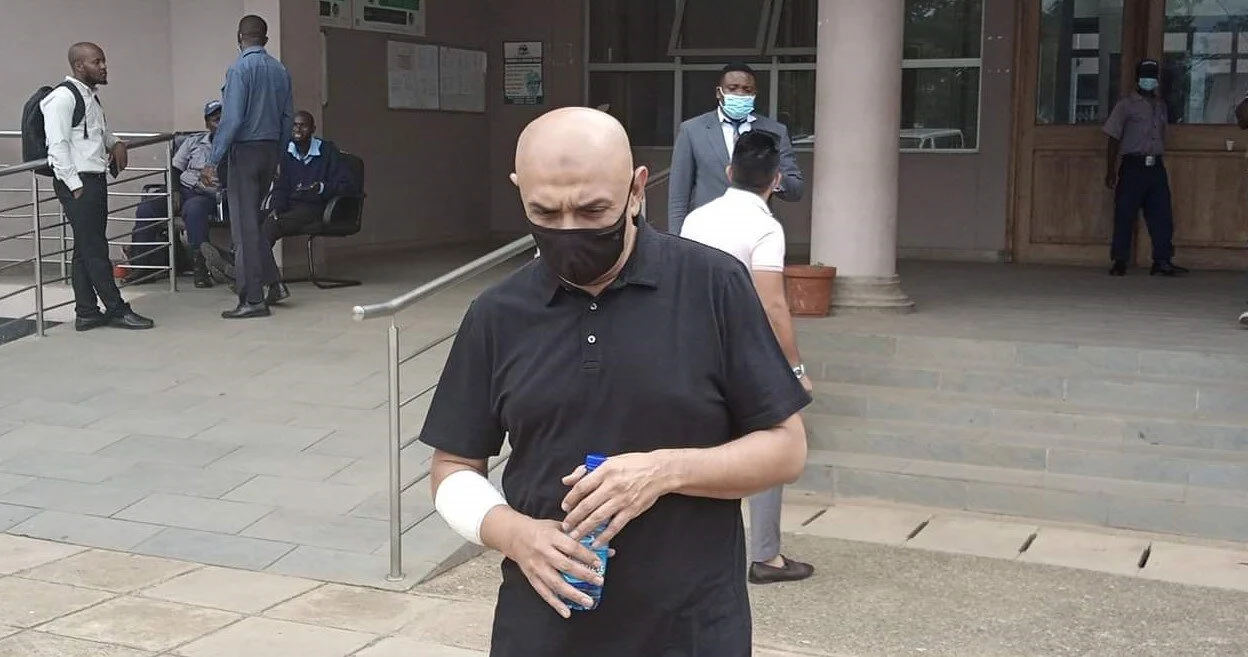
On Tuesday, business mogul Thomson Mpinganjira and his family donated K100 million to support the repatriation exercise.
Mpinganjira said heartbreaking scenes of Malawians affected by xenophobic violence inspired the family to act.
“The pictures are very moving. It is a very sad story. As a family, we sat down and agreed that we should do something to help, no matter how small,” he said.
He urged companies and individuals not to leave the burden to government alone.
“The corporate world has a responsibility because the people who are suffering are the very communities we serve,” said Mpinganjira.

For DoDMA, the donations offer some relief in an operation that continues to stretch resources.
Commissioner Wilson Moleni said the repatriation process involves registration, identification, transportation and coordination of returnees across borders, making it both costly and complex.
“It is a delicate and complicated process,” said Moleni.
He said government has already spent close to K5 billion on the exercise, but much more is needed as the number of people seeking assistance continues to rise.
According to DoDMA, around 3,000 Malawians have already been repatriated, while approximately 15,000 have registered for voluntary return from South Africa.
Moleni appealed for more support, saying assistance can come in different forms, including buses, food, clothing and financial contributions.