

Malawi does not own its mines
Malawi is sitting on a mining jackpot after high-value rare earth minerals were discovered at the Kasiya Rutile Project in Lilongwe, adding fresh strategic value to what was already considered one of the world’s largest rutile deposits.
But behind the excitement lies an uncomfortable reality: Malawi does not own Kasiya or several of its other multi-billion-dollar mining projects. From Kayelekera’s uranium mine to Kangankunde and Songwe Hill’s rare earth deposits, control of some of the country’s most valuable mineral assets rests with foreign companies, raising fresh questions about how much of the wealth generated from these resources ultimately remains in Malawi.
The newly identified minerals—dysprosium, terbium and yttrium—are used in electric vehicles, wind turbines, defence systems and advanced electronics, making them among the world’s most sought-after resources. These are the same critical minerals helping to power the economies of countries such as the United States, Canada, Australia, France and the United Kingdom.
Yet despite sitting on deposits coveted by some of the world’s richest nations, Malawi remains among the poorest countries in the world and continues to struggle to finance basic priorities.
The contradiction is difficult to ignore. A country sitting on uranium, rutile, graphite and rare earth minerals is still battling food insecurity, aid dependence and chronic foreign exchange shortages. At times, Malawi has even had to turn to neighbouring Zambia for maize supplies while millions of its citizens face hunger.
Only this week, government released just K5 billion to Admarc despite allocating K60 billion for maize purchases, raising concerns about its ability to cushion vulnerable households against food shortages.
For critics, the image is stark: Malawi sits on some of the minerals powering the future of the global economy, yet often finds itself holding out a begging bowl for food, aid and foreign exchange.
“These results confirm that the mine-hosted rare earth mineralisation is present in pits scheduled for the early years of production at Kasiya,” Sovereign Metals Managing Director Frank Eagar told one of the local prints, Daily Times Malawi.
The discovery is expected to increase the value of the Kasiya project and strengthen Malawi’s position in the global race for critical minerals needed in the green energy transition.
Lessons from Kangankunde?
The latest discovery is also likely to revive concerns about how Malawi values and licenses its mineral wealth.
Only months ago, questions were raised over the Kangankunde rare earth project after Malawi’s mining regulator acknowledged that the original licence classification was largely based on information submitted by the investor.
The admission sparked criticism from observers who argued that government should have conducted more independent scrutiny before approving licences for what later emerged as one of Africa’s richest rare earth deposits.
The controversy fuelled wider debate about whether Malawi has the technical capacity, data and negotiating power needed to independently assess the true value of major mineral discoveries before agreements are signed.
As critics asked at the time, if a project later turns out to be one of the richest deposits on the continent, was it properly valued when the licence was first awarded?
The debate extends beyond Kangankunde.
From Kayelekera to Songwe Hill and now Kasiya, Malawi has repeatedly attracted foreign investors to world-class mineral projects. Supporters argue such investment brings capital, expertise and jobs. Critics counter that ownership, profits and decision-making remain concentrated outside Malawi while the country receives only a fraction of the value generated.
With Kasiya now revealing even more strategic minerals than previously known, scrutiny is likely to intensify.
For many Malawians, the issue is no longer whether the country has valuable resources beneath its soil. The issue is whether Malawi is receiving value equal to what lies beneath it.
Malawi has already proven that it is rich in minerals. The challenge now is turning that mineral wealth into national wealth that can lift millions of citizens out of poverty. Otherwise, the country risks remaining rich underground while staying poor above it.
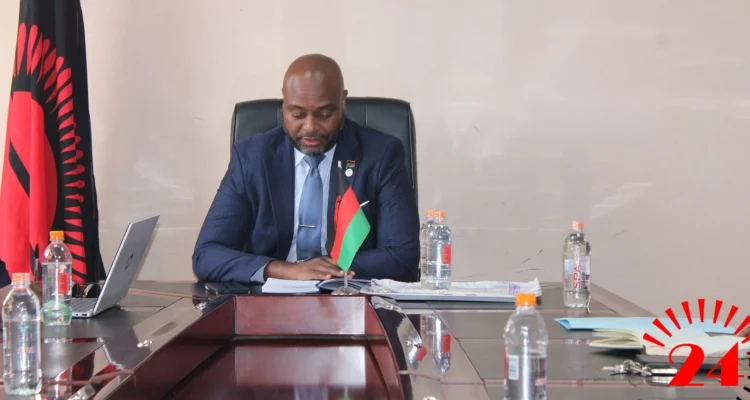
That challenge now falls squarely on the shoulders of Thoko Tembo, Malawi’s newly appointed Minister of Mining.
As the tsar of the mining ministry, Tembo has inherited one of the country’s biggest paradoxes: a nation blessed with uranium, rare earths, graphite and rutile, yet still battling poverty, hunger and dependence on foreign aid. As foreign companies control some of Malawi’s most valuable mining projects, pressure is mounting on the new minister to ensure more of the wealth beneath the country’s soil benefits the people living above it.
The test for Thoko Tembo is simple: can Malawi stop exporting wealth and start creating it at home? Malawi has already discovered the minerals. What it has not yet discovered is how to keep more of the wealth they generate. A country that can supply the minerals needed to power electric vehicles, fighter jets and wind turbines should not be holding out a begging bowl for food, aid and foreign exchange.
Key facts
- Project: Kasiya Rutile Project
- Location: Lilongwe District
- New discovery: Dysprosium, terbium and yttrium
- Owner: Sovereign Metals
- Strategic use: Electric vehicles, wind turbines and defence systems
- Debate: Foreign ownership of Malawi’s biggest mines
- Related projects: Kayelekera, Kangankunde and Songwe Hill