

Malawi’s Deputy Minister of Health and Member of Parliament for Likoma, Charles Chilambula, is facing growing criticism following remarks widely perceived as xenophobic toward people living on Likoma Island who are not originally from the district.
The controversy arose from a statement Chilambula issued in response to increasing concerns over criminal activity on the island. In the statement, he said in Chichewa “Kwa omwe ku Likoma sikumudzi kwathu kobadwira , tiyeni titsatire malamulo omwe anakhazikitsidwa ndi eni dera pamene tikuchita malonda, tikugwira ntchito kapena tikupanga usozi. Tiyeni tikhale bwino ndi anthu tisabweretse khalidwe la chilendo”.
In English “For those who are not originally from Likoma, let us follow the rules established by the indigenous people when conducting business, working, or engaging in fishing. Let us live peacefully with others and avoid bringing unfamiliar or undesirable behaviour”.
Critics argue that the wording appears to single out non-native residents and risks creating divisions within the community.
The remarks have triggered strong reactions from members of the public, with some warning that the statement could incite discrimination.
A local resident, James Zgambo, told Malawi24 that the message was poorly framed and potentially harmful.
“Let me be clear: the MP did not express himself properly in this regard. These words suggest that those of us who have moved to Likoma are responsible for theft and robbery,” said Zgambo.
Zgambo stressed that such sentiments are unnecessary, emphasizing that Likoma is part of Malawi and that every citizen has a constitutional right to live and work anywhere in the country.
Concerns have also been raised by human rights advocates, including George Mphande, who is based in Nkhata Bay. Mphande called on Chilambula to withdraw the statement, arguing that certain phrases undermine its intended message.
“I have read the entire statement. Much of it was appropriate, but it was undermined by those particular words,” he said.
He further cautioned that leaders must be careful when addressing sensitive issues, noting that statements perceived as divisive can trigger unrest within communities.
In response to the criticism, Chilambula dismissed the allegations in a WhatsApp message, urging the public to consider the full context of his statement.
“Read carefully before drawing conclusions. There is nothing of that sort. If you review the earlier part of the statement, I was cautioning islanders against assuming that crimes are being committed by non-natives without evidence.”
He maintained that his intention was to discourage baseless accusations rather than to stigmatize individuals who are not originally from Likoma.
Meanwhile, Malawi24 has confirm reports that police have arrested suspects connected to a recent robbery involving a woman on Likoma Island. Authorities indicate that all individuals apprehended in relation to the incident are natives of Likoma.
The incident has reignited debate around unity, inclusion, and responsible leadership in Malawi. Analysts warn that statements perceived as discriminatory whether intentional or not can deepen social divisions, especially in smaller, closely connected communities like Likoma.
As pressure continues to mount, there are increasing calls for clearer communication from public officials and a stronger commitment to national unity when addressing issues such as crime, without attributing them to specific groups.
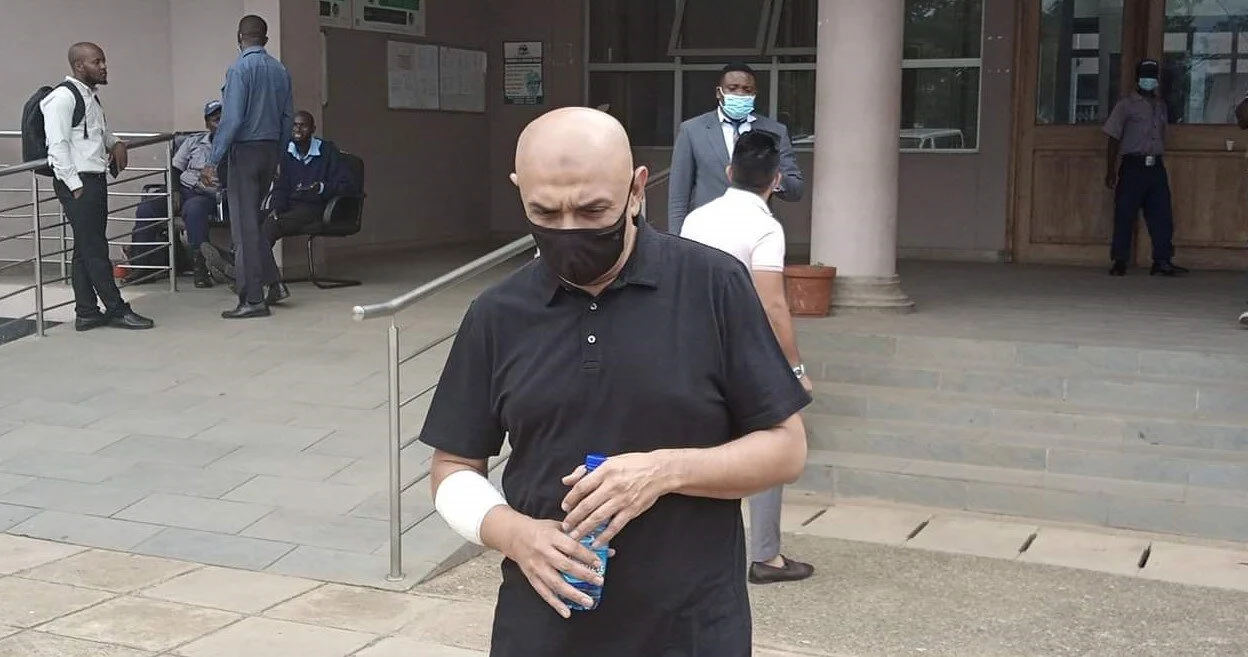
Deputy minister of health Charles Chilambula amidst of xenophobic remarks