
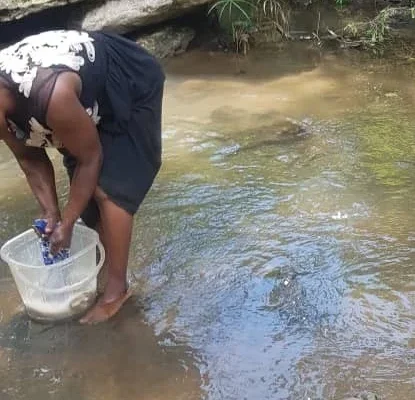
In the central southern part of Ntcheu, daily life is increasingly resembling that of centuries ago, as communities that once had access to clean tap water are now being forced to return to unsafe river water for survival.
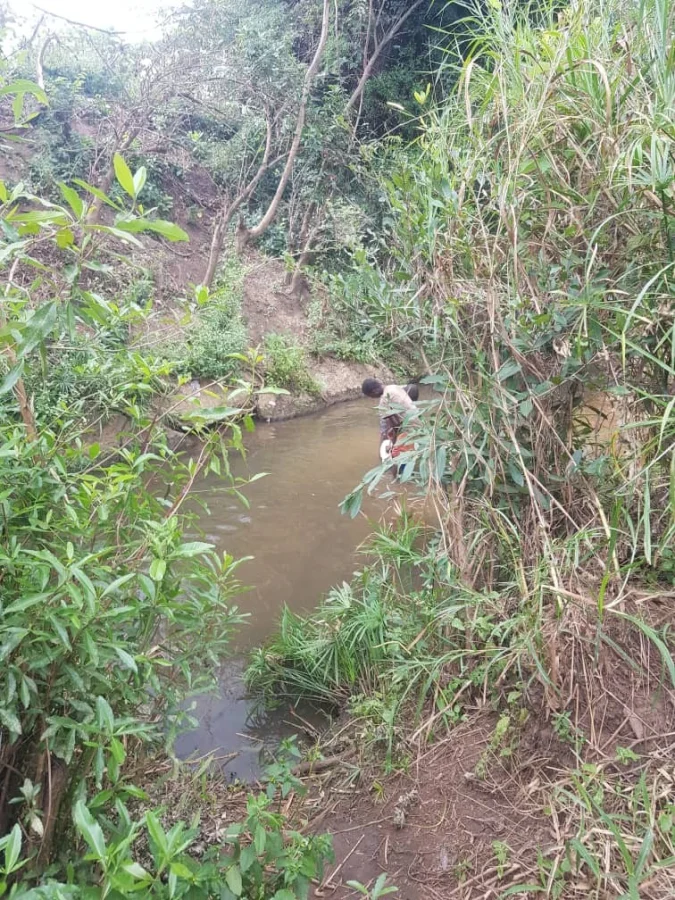
In villages such as Kalulu, Bauleni, and Msalawatha under Group Village Headman Mkutumula 2 in the area of Senior Chief Makwangwala, scores of women were found walking long distances carrying buckets and pails to fetch water from the Linengwe River. The same water is also being used by livestock.
For many families, the situation has become a painful reversal after years of depending on relatively safer piped water systems.
Residents say for the past several weeks, taps in the area have reportedly been releasing water only once a week, leaving communities with no option but to rely on rivers and swampy water sources.
According to women who found drawing water from the river, the struggle has affected almost every aspect of household life.
“For a long time we used to drink clean water, but now things have changed. We are drinking dirty water, sharing it with livestock, bathing and washing in the same water,” complained one of the women.
The development has raised fears of waterborne diseases, including cholera, especially as people are consuming untreated water at a time when Malawi has previously battled recurring outbreaks.
What worries many residents most is that the crisis is unfolding just after the rainy season.
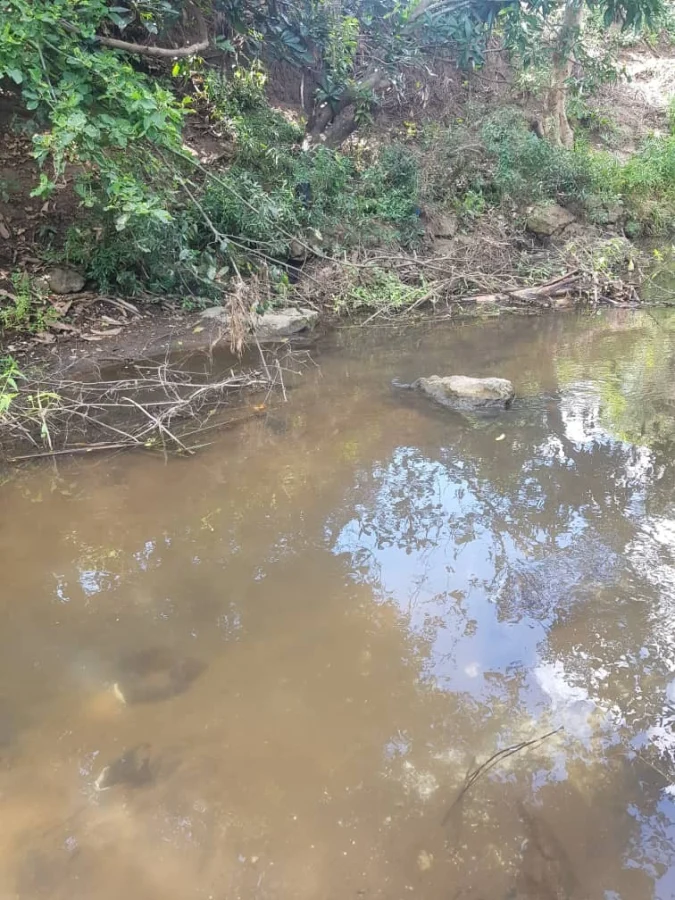
Communities fear conditions could become worse as the year progresses and rivers begin to dry up, leaving behind stagnant pools, dirty moss, and contaminated water sources that are often unsafe for human consumption.
Women and girls appear to be carrying the heaviest burden, spending hours every day walking to distant rivers instead of focusing on income-generating activities, household responsibilities, or education.
Efforts to hear from the Central Region Water Board proved unsuccessful as officials could not be reached for comment by the time of publishing this story.
For now, many families in these parts of Ntcheu say they have no alternative but to continue drawing water from rivers, a reality many describe as a return to a forgotten past.