
Opinion: Arrests are not enough, justice must be delivered in K36 billion greenbelt scandal
Malawians have once again been confronted with a troubling reminder of how public resources can be abused, following revelations surrounding the K36 billion Greenbelt scandal. Reports that such a colossal sum may have been siphoned off by a few individuals strike at the heart of public trust, particularly at a time when citizens are grappling with economic hardship.
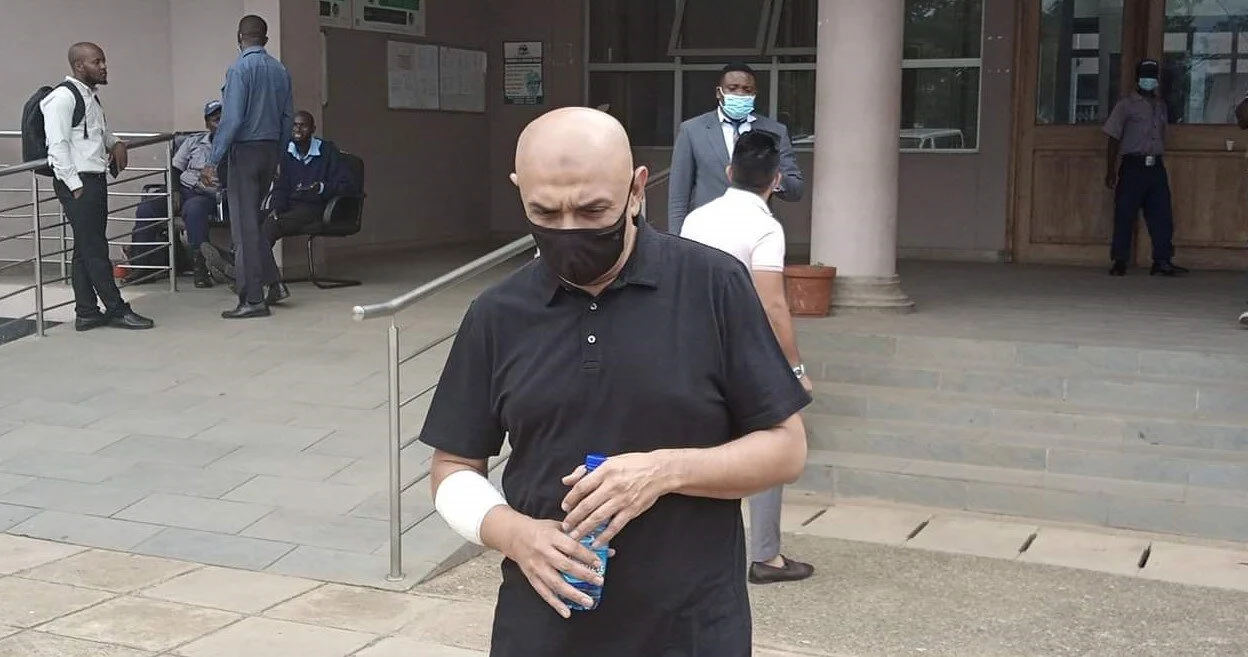
The recent arrests of several individuals linked to the scandal including former Minister of Finance, Simplex Chithyola Banda signal a step in the right direction. They demonstrate that the state is willing to act when confronted with allegations of high-level corruption.
However, arrests alone do not amount to justice; they are merely the beginning of what must be a thorough, credible, and transparent legal process. The real test now lies with the prosecution. It must build strong, evidence-based cases capable of withstanding judicial scrutiny.
Malawians have seen this script before dramatic arrests followed by prolonged silence, weak prosecution, or cases collapsing altogether.
Justice is not served when suspects are paraded before cameras only for their cases to stall or quietly fade away. It is served when the prosecution proves its case beyond a reasonable doubt, leading to convictions where guilt is established.
Malawi’s recent political history offers several cautionary lessons. During the early years of the Malawi Congress Party (MCP) administration under President Lazarus Chakwera, a wave of arrests targeted public officials and politically exposed persons accused of corruption. While these actions initially inspired hope, many of the cases failed to reach logical conclusions.
In some instances, cases dragged on for years without meaningful progress. Key evidence was either insufficient or poorly presented, and some suspects were granted bail, after which their cases lost momentum. As a result, when the Democratic Progressive Party (DPP) later assumed power, many of these cases were either discontinued or not actively pursued a development that left the public frustrated and disillusioned.
A recurring pattern in public discourse has been the handling of corruption-related arrests marked by strong political messaging, but followed by prosecutions that fail to secure convictions due to weak case preparation. This risks turning anti-corruption efforts into political theatre rather than genuine accountability.
If the Greenbelt scandal follows the same trajectory, Malawi risks normalising a dangerous cycle: allegations emerge, high-profile arrests are made, cases stall or collapse, and public confidence erodes further.
Such a pattern not only undermines the justice system but also emboldens would-be offenders, who may begin to view corruption as a low-risk, high-reward activity.
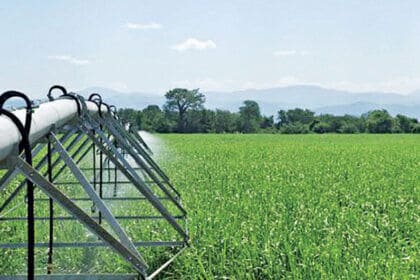
The Greenbelt initiative was designed to enhance agricultural productivity and strengthen food security a critical priority for Malawi. Any abuse of funds within such a programme is not merely financial misconduct; it is an attack on national development and the livelihoods of ordinary citizens.
K36 billion is not just a figure; it represents irrigation systems that were never built, farmers who were never supported, and communities that continue to struggle with food insecurity.
For this case to mark a turning point rather than a missed opportunity, several steps are essential. Investigations must be professional, with evidence meticulously gathered, documented, and preserved. The prosecution must operate independently, free from political influence or pressure.
The judiciary must prioritise such high-profile corruption cases to avoid unnecessary delays. At the same time, authorities should keep Malawians informed without compromising the integrity of the case.
Most importantly, if individuals are found guilty, they must face sentences that reflect the gravity of their offences. Accountability must be real, not symbolic.
Malawians are not merely looking for arrests they are demanding justice. The handling of the K36 billion Greenbelt scandal will serve as a defining test of the country’s commitment to fighting corruption.
If the prosecution succeeds, it could restore public confidence and send a strong message that no one is above the law. If it fails, it will reinforce a painful narrative that corruption cases in Malawi begin with noise and end in silence.
I also suggest that the proceedings of these cases be live on the National TV so that Malawians can also appreciate.
This time, it must be different.