
The Human Rights Defenders Coalition (HRDC) has called on the government to urgently address worsening water outages and fuel shortages that it says are leaving residents in Lilongwe, Blantyre, and Mzuzu in distress.
In a statement HRDC Chairperson Michael Kaiyatsa and National Coordinator Kelvin Chirwa said thousands of households in the three cities have gone without water for between five and seven days.
In Lilongwe, areas including Area 36, Area 38, Kapiri, Area 23, Area 21, Kawale, Area 47, and Area 2 have reported prolonged dry taps, despite assurances that water bowsers would be deployed.
Blantyre has also been hit hard, with low water pressure and frequent outages reported in Soche, Chitawira, Kamba, Kanjedza, Zingwangwa, Nancholi, Chilobwe, Chilimoni, and Manyowe.
In Mzuzu, residents of Mchengautuba, Chibavi, Chibanja, Area 2 (Katoto), Area 4, Geisha, and Nambo have endured several days without a reliable supply.
The group warned that the shortages pose a serious public health risk, particularly as Malawi remains on high alert following recent Ebola outbreaks in the Democratic Republic of Congo and neighboring regions.
HRDC said the Ministry of Health’s hygiene recommendations, including regular handwashing, become impossible to implement when communities have no access to reliable water supply.
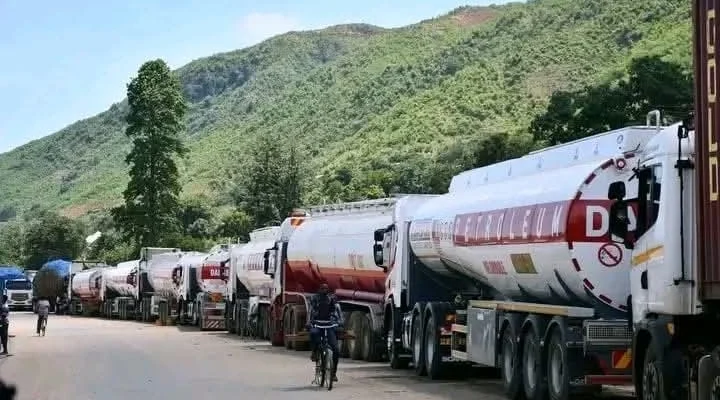
The coalition also highlighted the impact of ongoing diesel shortages, which it said are disrupting transportation, healthcare delivery, and business operations.
It added that long queues at filling stations and rising transport costs are worsening the cost-of-living crisis for ordinary Malawians.
However, HRDC is demanding that the government should provide a comprehensive public briefing on both crises, urgently deploy emergency water distribution to affected areas, and prioritize fuel allocation for hospitals, water utilities, emergency services, and public transport.
It also called for stronger transparency and long-term investment in resilient infrastructure and energy reliability.
“Access to water, energy, and essential services is fundamental to human dignity and must not be treated as a recurring crisis to which citizens are expected to simply adapt,” reads part of the statement.