


The discovery of sexually transmitted infections (STIs) among 32 women in Tengani, Nsanje District, has raised questions about the underlying factors driving reproductive health challenges in the area.
The cases were identified during a two-day health outreach exercise at Tengani Health Centre, where 201 women were reached. Of the 32 women diagnosed with STIs, 14 tested positive for syphilis.
The figures are concerning not only because of the number of women affected, but also because some infections may remain undetected in communities where access to regular testing and reproductive health services is limited.
For health workers, the exercise has highlighted the importance of taking health services closer to communities. Without regular outreach programmes, some women may only seek care when symptoms become severe or complications develop.
The situation also raises questions about awareness of STI prevention, testing and treatment. Some infections can remain unnoticed, allowing them to spread before people seek medical attention.
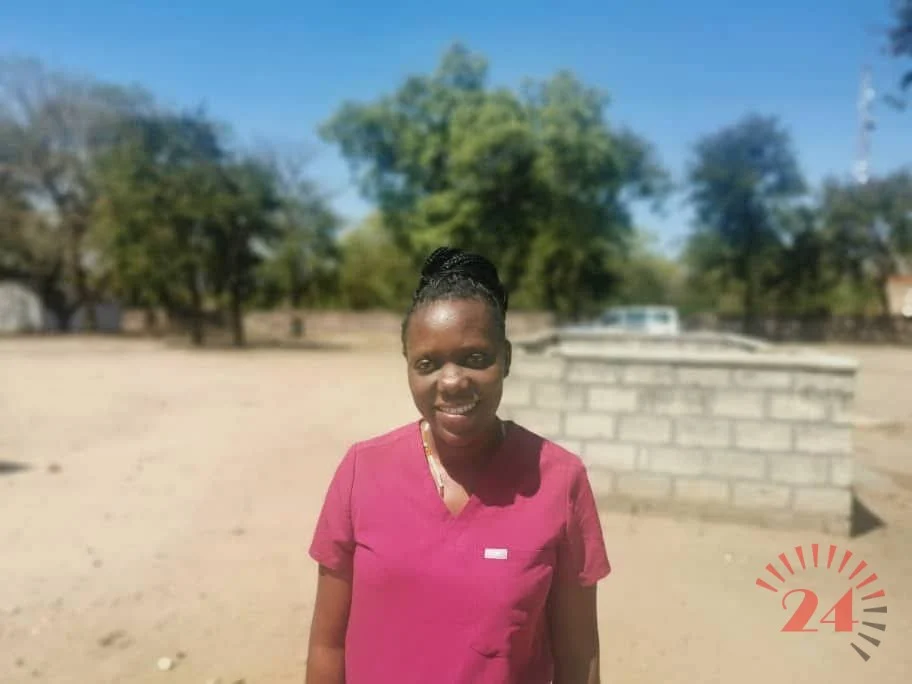
The reproductive health concerns do not end with STIs. During the same exercise, six women showed signs requiring further attention, while samples were taken from nine women to determine whether their symptoms could be linked to cervical cancer.
District reproductive and sexual health coordinator Judith Mgogo described the situation as worrying, stressing that health workers have a responsibility to help the community address the problem.
Health expert Professor Adamson Muula says the high number of women diagnosed with STIs demonstrates the need for more outreach services and interventions of this nature.

The Tengani findings should therefore not simply be viewed as 32 individual cases. They may be a warning sign of wider reproductive health needs in the community, needs that require sustained screening, education, treatment and follow-up.
For the women who attended the outreach exercise, the opportunity to know their health status could be the beginning of better care. But for the wider community, a bigger question remains: how many more women could be living with undiagnosed infections without access to similar services?